
As the weather and the light change approaching winter, we have to shift routines and supplementation here at Dharmahorse Equine Sanctuary. With horses from different backgrounds (some with health issues, some as old as 36 and young as 1 year), we tailor our programs for each individual.
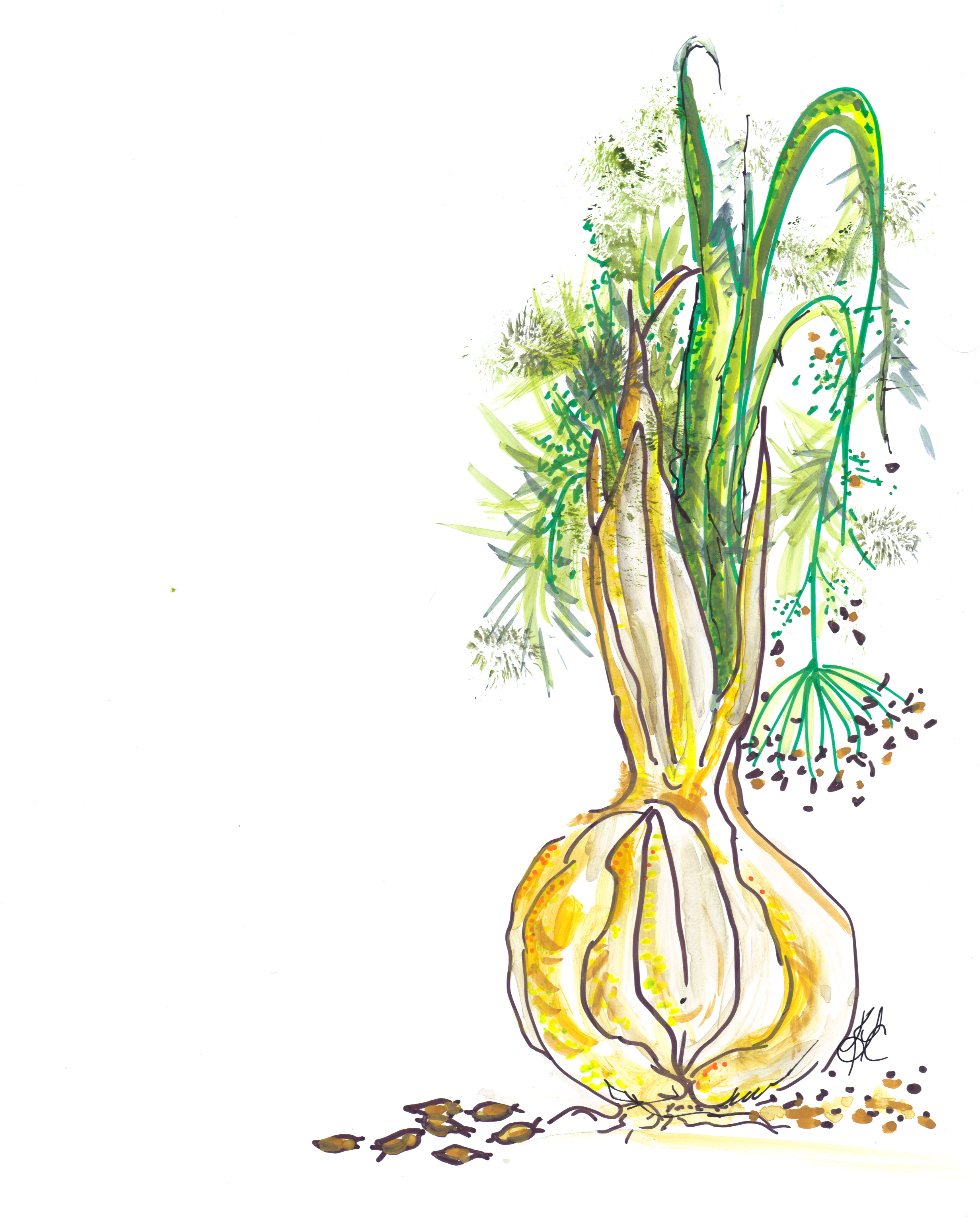
Our herbal health protocols for winter here are designed around specific herbs to maintain health and prevent disorders. Of course, this information is never meant to replace a health care practitioner.
ANISE seed, Pimpinella anise, is an herb we use to prevent and in treatment of colic in horses. It is also great for coughs and lung disorders. We add the powdered herb to a bucket feed using a tablespoon once daily as prevention for horses prone to colic. When a horse is starting to look distressed, we feed a quarter cup of the ground seed in a very wet wheat bran mash with an ounce of milk of magnesia.
We feed it similarly for lung disorders, usually with large amounts of Yarrow tea either dosed carefully into the mouth (keep head low to avoid aspiration into the lungs!) or used to soak the mash.
CALENDULA, Calendula officinalis, blossoms are fed to horses to support skin health and healing. I’ve fed it to mare and used homeopathic calendulated oil topically to heal her severe rainrot. It is high in vitamin C, vitamin A and phosphorus. Calendula ointment made with blossoms infused into olive oil and stabilized with bees wax is used to dress wounds, burns, rashes and chapping.
We have used calendula tincture on bruises and strains. It has some good anti-inflammatory properties used externally as well as fed in the bucket feed. I feed one or two big handfuls of the dry blossoms daily. The oil is a good treatment for mud fever / scratches, rainrot, rope burns, eczema and contusions.
CINNAMON, Cinnamomun zeylanicum, is an evergreen tree whose dried inner bark is used as a culinary herb / spice and as a medicinal herb for people, horses and dogs. The scent itself has immune boosting, antiseptic and anti-nausea properties.
Horses with conditions like Cushing’s Syndrome can be helped with the addition of half ground Cinnamon, half ground Fenugreek seeds to the ration – about 2 tablespoons daily. Horses prone to gassiness or flatulent colic can be aided by a half Cinnamon, half Fennel seed mixture fed daily 1 to 2 teaspoons.
ECHINACEA, Echinacea Augustifolia / Echinacea purpurea, is an effective remedy for bacterial and viral infections. It “boosts” the immune system and therefore is contraindicated for any being with auto-immune diseases. The root and leaves are both used. We tend to use the root for treatments; the leaves for prevention. It contains vitamins and minerals (ZINC, iron, manganese, selenium and silicon) and “undiscovered properties” that make it a premier herb for all infections – from tooth/gum infections to lung disorders to hoof abscesses – added to the bucket feed. We feed a handful of the dried leaves daily to a horse for at least 21 days or a heaping tablespoon of root in the feed for at least 14 days.
FLAXSEEDS, Linium usitatissimum, are a nourishing herb that is used for humans, horses, dogs, cats, cattle, llamas, you name it! The seeds contain 40% fixed oil, linoleic, linolenic and oleic acids, mucilage, protein and linamarin. The oil (edible, coldpressed flaxseed oil) is used as a daily supplement to strengthen and heal the lungs, heart, digestive tract, skin and mucus membranes. The seeds can be cooked into “linseed / flaxseed jelly” to be fed to horses (the raw seeds can colic a horse – they release gases) or ground into a meal.
Flaxseed Jelly: For each horse use one handful of seeds and 2 quarts of water. Soak the seeds overnight (for 8 hours). Then bring to a boil, watching constantly! If this mixture boils over, and it tends to, it will make a gooey mess. Use a non-metal or enameled pot and wooden spoon. Stir often. Boil for a full hour. You will have reduced the water considerably and have a thick jelly to add directly to a bran mash or hard feed of grain or pellets. Do not strain it (you can’t!). Just mix it well into the bucket feed and offer it 2 to 3 times a week in winter.
MILK THISTLE, Carduus marianus, seeds are the supreme liver support and healing herb. We add 2 tablespoons of dried seeds to the bucket feed once daily for a horse with liver stress.
I have seen milk thistle cleanse the damaged liver of a gelding in his 20’s who had been dosed repeatedly with Ivermectin wormer until he jaundiced (mucous membranes turned yellow).
ROSE HIPS, Rosa species, are rich in vitamin C, A Rutin, selenium, manganese and B Complex vitamins. Rose hips can be fed whole or ground to horses in a bucket feed for stress, coughs, inflammation, infections and to support hoof health.
WHITE WILLOW BARK, Salix alba, is “Nature’s Aspirin”. The bark contains Salicin and Tannin. White Willow is actually used to heal digestive tract debilities, so it is not an ulcer inducing compound like regular aspirin is (which is synthesized from the medium of the bark). It can be used for pain and inflammation relief for people, horses and dogs but never for cats. Just as aspirin tablets can be deadly for the feline; white willow bark’s salicin is contraindicated!
 Stablewomen