
Most minor injuries that horses receive are of the bump or scrape variety and can be treated at home by an owner. When large areas of skin are removed or deep wounds cause profuse bleeding, the Veterinarian must be called at once. Things like non-weight bearing of a leg, inability to move forward, extreme distress in any form are also emergencies.
For simple, acute injuries at home, cold running water is the treatment of choice. Ice can actually damage tissue if applied for long periods and heat exacerbates the swelling at a fresh injury, which impedes healing. Bruises and wounds that have stopped bleeding can have a low stream of cool water from the hose run over them for up to an hour with beneficial effect (we suggest doing so under a tree to keep from wasting water).
Horses can receive heat, friction or chemical burns and the cool water is often a good choice for those, after consultation with the Vet. We make our own herbal ointments with calendula infused olive oil, melted beeswax and lavender essential oil. This is used on any dry, abraded or old wound. We use organic, powdered rosemary herb on weeping, wet or lower leg wounds (this forms an antiseptic scab).
A wound that is bleeding heavily needs pressure applied while waiting for the Vet. Such wounds on the leg can be bandaged with a leg wrap over a clean pad. Body wounds need hand pressure over a clean pad or towel.
With objects stuck in an eye or a hoof – it is best to leave it in place if no further damage will occur. When the Vet arrives, she will be better able to assess the situation and remove the object properly. When a horse gets cactus spines or splinters in his skin, we use Icthammol ointment to draw the spines to the surface.
Become familiar with your horse’s normal mannerisms and vital signs (pulse, respiration and color of mucus membranes) so that a deviation is easy to spot. A dehydrated horse will have tight, dry skin that does not “snap” back when pinched on the neck. Pink gums are healthy; yellow gums are an emergency (signaling liver trouble); bright red gums can indicate stress from exertion; blue gums are an emergency (signaling heart, renal or respiratory trouble); white gums could mean anemia or shock.
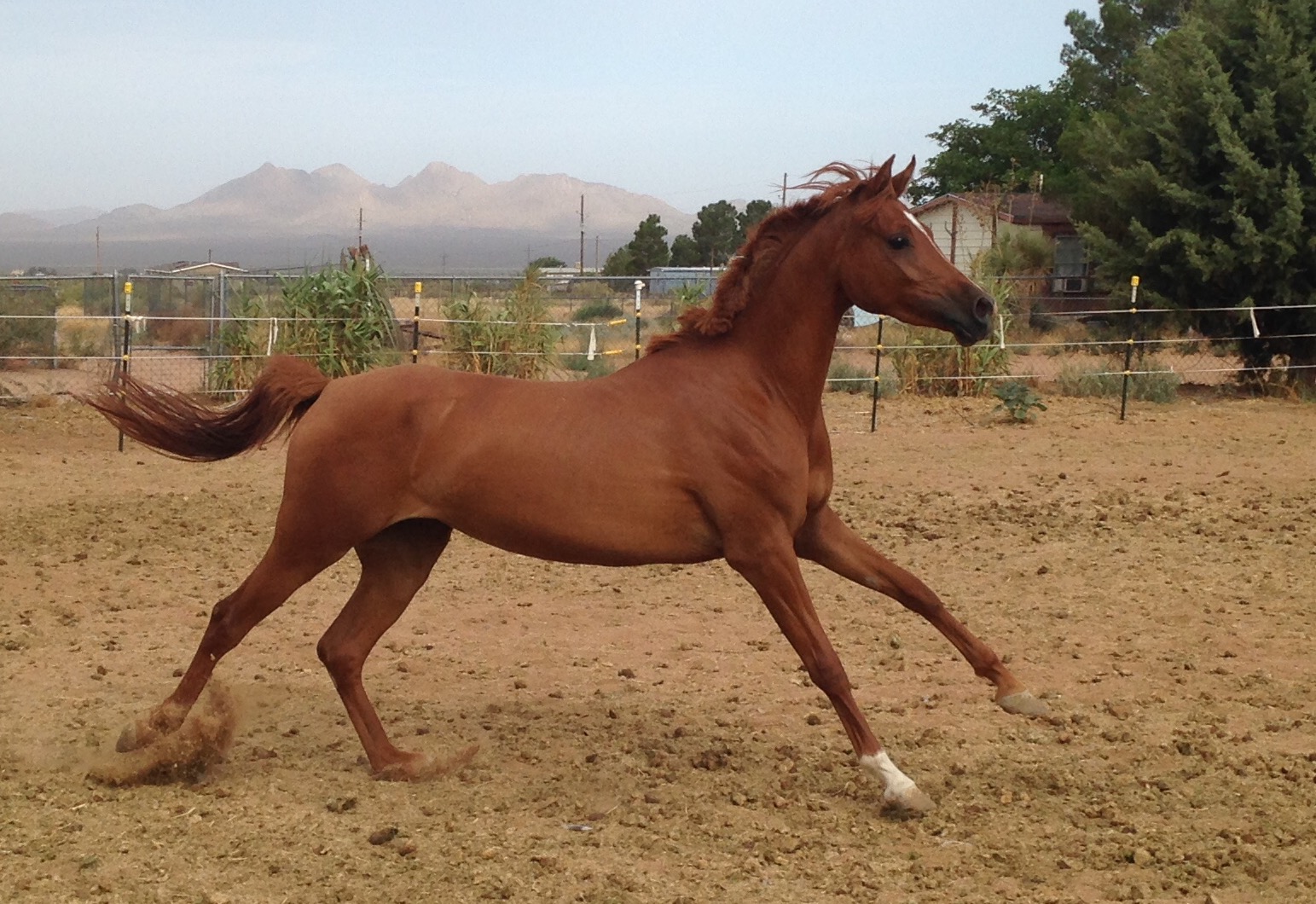
First aid for colic (digestive trouble) while waiting for the Vet can include slow walking in hand, gently pulling the horse’s ears from base to tip and covering the loins with blankets in cool weather.
For bruises anywhere on the body, we apply comfrey root infused oil and if we suspect bruising of the hooves (say, after a trail ride) we dose homeopathic Arnica Montana pellets in pieces of apple. For pulled tendons, we dose homeopathic Ruta grav. For joints we use homeopathic Rhus tox.
Any blow to the head is an emergency! Any potential back injury is also! These require keeping the horse calm and still until the Vet arrives. If you see any swelling of the face, insert a soft piece of hose/tubing into a nostril since horses cannot breathe through their mouths.
In emergencies, remain calm, handle the horse safely while you wait for the Veterinarian and be sure to give her all the information you possibly can so she can arrive prepared.
 Stablewomen