Monthly Archives: May 2023

Nourishing Hooves

Our horses rely upon the foundation of healthy hooves in the same way that a building relies upon its foundation – without a good one, everything above is compromised.

The hooves, like all body systems, are created from the foods ingested. Certainly external forces are at play as well, but, without the complete nutrition needed the hoof cannot meet these forces with strength and flexibility.
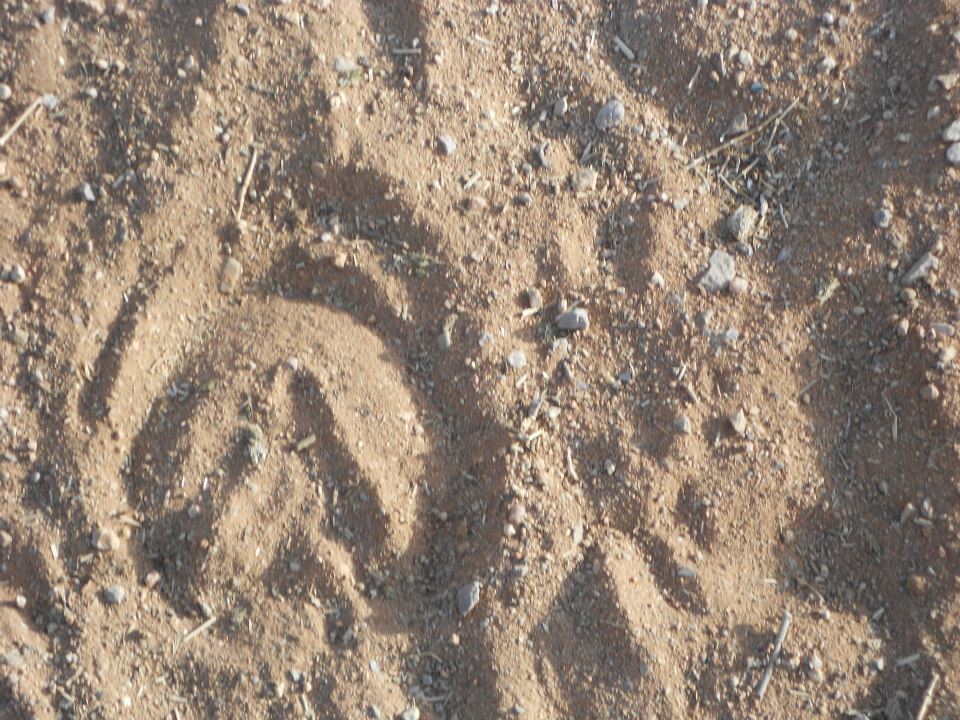
Horse feeds came about at the same time with the same philosophy as livestock feeds which were designed to create muscle and fat for meat production. The goal was not the consumption of horses; it was the feeding of muscles and creation of fat layers and slick coats, along with energy for working in fields and on roads. Horses did not live very long and a preponderance of draft blood made for larger, better equipped hooves as foundations.

Our horses now are family members living longer lives, often with smaller hooves from the breeding of lighter types for sport or show. While proper farriery or trimming are absolutely essential – the creation of the hoof structure, strength and health will be determined by diet.

The horse, being designed as a browser/herbivore requires the high fiber diet filled with herbs and forage that Nature provides (we can provide this, too!). To “feed the feet”, we need to supplement the grassy pastures and/or hays with herbs and foods that support hoof health by providing minerals, amino acids, enzymes and safe lipids (fats).

To process and extract the components then provide them in a bag of “complete feed” can often corrupt the very nutrients that are desired. Heat destroys nutrients and most processed foods are created by steaming or cooking. Chemical extraction is used to isolate many nutrition oils before they are blended into feeds and the result is a less digestible lipid with potential residues of the extracting agent. Just as processed foods leave us feeling hungry because we’ve eaten “empty calories”, the horse will feel undernourished and seek roots, barks, even eat dirt in an effort to find what his body craves.

Foods that are grown with chemical fertilizers, pesticides (herbicides or insecticides), or are genetically modified present health problems that may show up dramatically in the hooves. The hoof depends on proper blood circulation and nutrient availability to keep the multiple layers of tissue intact. This laminated structure holds the bones within the hoof and lower leg at precise angles. Since our horses walk on “digits” – their legs corresponding to one of our fingers – anything out of balance degrades the entire structure and creates pain.

Humans will show traces of toxins or deficiencies in the growth, color, shape and structure of their finger nails – the cutaneous structure of the horse’s hooves is the same and serves as an indicator in this same way. The choice of organic foods whenever possible will help lessen the body’s exposure to possible toxins.

My personal belief is in simple solutions and simple, nature based practices with horses.  Of course, we need brilliant surgeons for injuries; experienced practitioners for diagnosis and allopathy to assist with overwhelming symptoms – but it is the body itself that knows how to heal and what to do with the nutrients we provide!

Foods that Feed the Feet:

A quality grass hay or pasture source is the base of an equine diet.

To this base, a legume hay or pellet may be added such as alfalfa – Medicago sativa – (Lucerne) for gestating, lactating or growing horses. A 10% to 20 % ratio to grass is a safe margin for the addition of the rich legume. It will add protein, calcium, biotin, silica and vitamin A (as well as many trace elements, etc.) to the base diet.

Sea Vegetables are supreme hoof support nutrients.  Kelp – Fucus vesiculosis – provides over 30 trace elements and iodine, calcium, magnesium, potassium, silica, sulfur, iron and vitamin K. One teaspoon daily of powdered Kelp can be added to a bucket feed (of water-soaked wheat bran/pellets/beet pulp or specially blended senior feed or grain combination for the hard working equine) to nourish hoof health and growth (use ½ teaspoon for youngsters under 2 years old).

Rose Hips – Rosa species – are a good source of Rutin, Vitamin C, Selenium and Manganese. While horses do synthesize vitamin C (their milk is the only source of C for Mongolian nomads); it is a water soluble vitamin that can be used up quickly during stress or illness. The bioflavinoids and vitamin C are required by the body to strengthen capillary walls, clear edema and maintain blood circulation – essential things for hoof health, laminar health. Use one tablespoon daily.

Flaxseeds – Linum usitatissimum – are full of valuable Omega fatty acids. It is the Omega 3’s that are most nourishing and abundant in Flax (Omega 6 is often inflammatory and can be detrimental especially during injury or laminitis – corn oil has Omega 6 fatty acids). Flaxseeds should not be fed whole – they can be gas producing in the gut. Ground into meal, pressed into oil (not chemical solvent extracted) or boiled into jelly; flaxseeds will increase the strength and suppleness of the hoof wall, nourish collagen production, maintain moist shock absorbing properties of the hoof capsule and add multi amino acid proteins to repair the wear and tear of the entire hoof. You can feed up to one ounce of oil daily; mix the meal with water into a mud like consistency (building up to 8 to 12 ounces of meal over a 10 day period) with wet wheat bran (when phosphorus is needed) or soaked pellets or beet pulp; or use one handful of seeds to a pot of water, soaked overnight then boiled for one hour to make a thick jelly. These ratios would be per horse, per day except for the jelly which can be fed 3 to 4 times a week.

Nettles – Urtica diolica – when dried (the herb leaves are dangerous fresh as they “sting” the skin and cause histamine reactions!) can be fed, one handful dried leaves to the bucket feed or made into a tea, per day per horse. They are full of silica which holds intact the structure of all skin, nails, hair, hooves and claws. Nettles are rich in iron which creates hemoglobin, the oxygen carrying property of blood. This iron is organic – an inorganic iron supplement has been proven toxic to fatal. Copper is also present in nettles and required along with the iron for support of circulation and nerve/muscle fiber functioning. Nettles aid hoof health by also strengthening nerve endings and receptivity.

Fenugreek seeds – Tigonella foenum-graecum – are rich in Lysine (amino acid that maintains normal cell growth, regulates pineal and pituitary glands and is necessary for formation of collagen in connective tissue – lysine is necessary for all amino acid assimilation; the building blocks of protein!), vitamin A and vitamin D (it compares to fish liver oil, an animal source not recommended for herbivores). Fenugreek internally and externally aids in the release of abscesses. Feed up to 1 tablespoon daily.

Black oil sunflower seeds and pumpkin seeds are rich in oils, vitamin E and minerals as well as the amino acid Methionine (essential to hoof health, it is sulfur based to protect and maintain the integrity of skin, coat and hoof). Sunflower seeds with hulls can be fed from 1 to 2 cups daily; hulled – feed ½ cup.  Raw, dried pumpkin seeds can be fed up to ½ cup daily. They also have anti-parasite properties and are prostate “friendly” (male horses do have prostates!).

The horse on fresh pasture receives abundant enzymes. A horse with no fresh foods in the ration will need supplementation of enzymes for proper digestion of all the other good foods provided. Enzyme rich, fresh additions can be yams, carrots, bananas, oranges, fresh parsley, peppermint, garlic and/or papaya flesh. If your horse is laminitic, IR or Cushinoid, avoid the fruits and roots with sugar content.

“Feed the feet” and your horse will reap the rewards with better health and soundness.
Categories: Uncategorized | Leave a comment

Black and Blue

Bruises are a fact of life for horses and horse people alike. A bruise is an area beneath the skin where trauma, usually from a blow, stresses and breaks vessels allowing blood and serum to leak into the surrounding tissues. Inflammation sets in to supply fresh blood and often, to act as a natural “splint”, kind of stabilizing the area. All of these occurrences cause localized pain!

Upon immediate injury, the application of cold will lessen tissue damage and reduce swelling. For horses, bags of frozen vegetables, long “ice pop” frozen sweets or simple cold water from a hose will cool the area of injury. At the time of the bruising, a dose of Homeopathic Arnica orally every 15 minutes for a few hours, then a few times daily can bring the damage to a halt. Arnica gels, ointments and sprays work wonders externally.

The herb comfrey is an amazing healer for bruises. The root, boiled in water, makes a strained liquid that can be applied every hour to an injury (cold for a new bruise, warm for an old injury site). I have used comfrey for catastrophic injuries of horses and had such success that even Veterinarians were impressed.

The equine hoof has a propensity for bruising because of its small size in relation to the bulk and the weight it carries. A bruise to the hoof can be helped by the oral dosing of Homeopathic Arnica immediately. I carry the pellets on trail rides in case a horse becomes sore-footed on rocks or hardened paths.

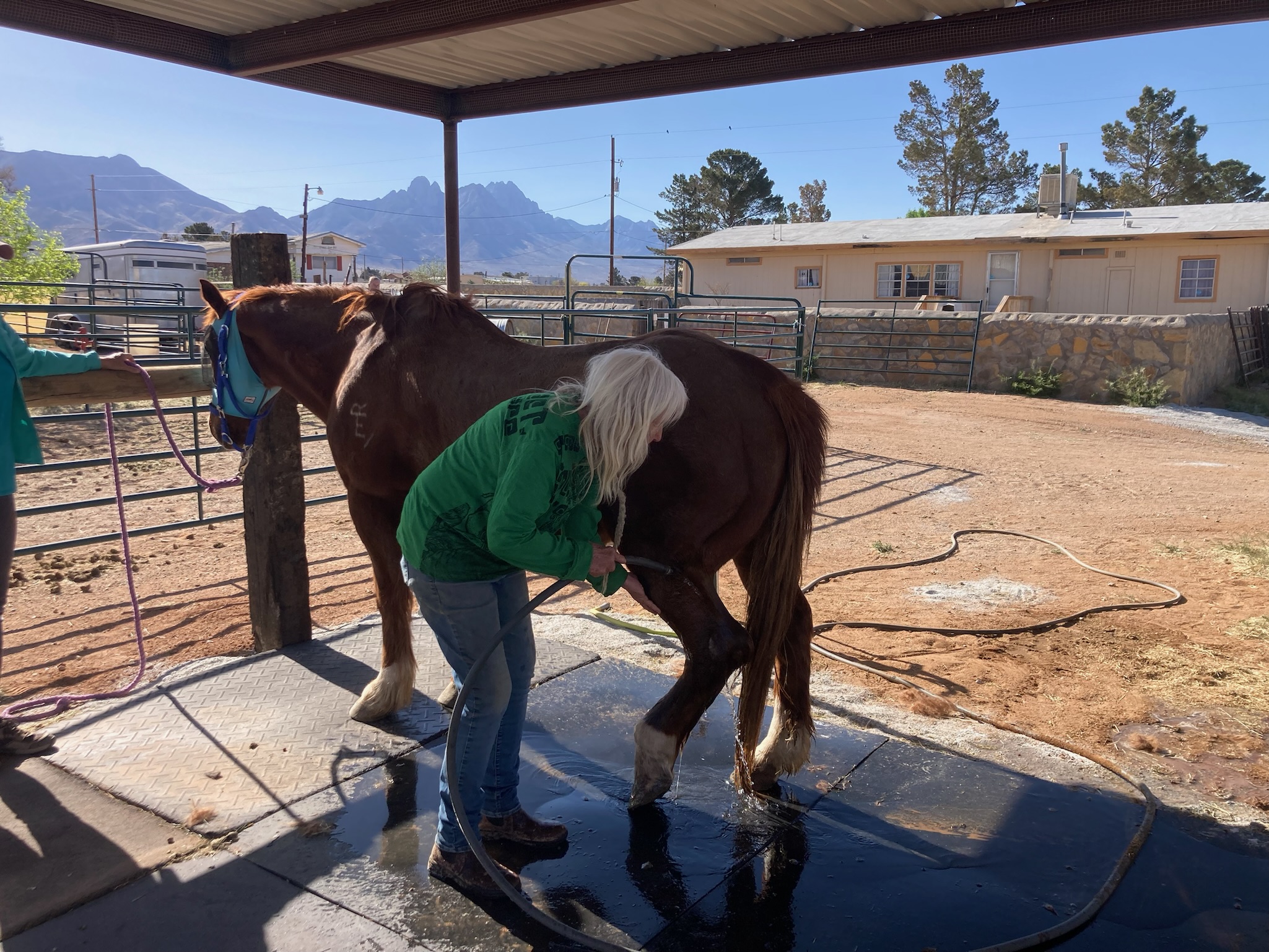
A bruised hoof will benefit from soaking in warm epsom salt water. Most of our horses here at Dharmahorse Sanctuary will stand with one hoof in a tub of medicine – Majic would stand with all four hooves in tubs. The epsom salt water will draw pain and inflammation away from the hoof and the magnesium reduces pain. After the soaking, I will cover the bottom structures of the hoof with pure, strong iodine. This is all repeated three times daily until the horse feels relief.

There are pain killers that can be administered to the injured horse (talk with your Veterinarian) and there are herbs that will work in anti-inflammatory and analgesic ways also. These types of herbs that are safe to feed to most horses (do a test with a small amount at first) are: Meadowsweet, White Willow Bark, Devil’s Claw, Yucca Root, Turmeric, Comfrey Leaf in small amounts and Gotu Kola.

When I think a horse might be at risk of hoof bruising, I will put on a hoof boot to provide protection. If a horse has weak hooves, we will feed Methionine, Biotin, Lysine, Kelp and Rose Hips to strengthen the hoof structures. For protecting a horse’s legs, there are an assortment of sports boots and “bell” boots and large shipping boots to cushion any blows that might occur while riding or hauling or when turned out for a run.

And for any of us who receive a bruising blow or injury, the first step is to apply ice; second step is to protect the area from further damage; third step is to provide systemic healing through herbs, Homeopathics and essences that support the body’s healing rather than masking the symptoms.

Categories: Uncategorized | Leave a comment

Horses on a “Budget”

I saw a funny statement the other day, “How do you make a million dollars with horses? Start with two million!” It makes us chuckle, but it speaks to a truth that is hard to ignore. The price you pay to buy a horse is the least amount you will pay.

And when we set out to care for a horse either at home or in livery (boarded), the day to day choices determine long term costs. Because horses are built to eat pasture or hay near continuously, a diet based upon either or both makes the most sense and creates good health. If you have to skimp on something, never make it the feed! Buy or insist upon the highest quality hay available. Equine health is just as dependent upon whole, unprocessed foods as is our health. To feed poor or very old hay and then add processed, composite feeds full of grain products and fats to make the horse “look good” is a false economy. It takes its toll on the health of the horse’s organs. If a horse is racing, competing heavily, lactating or recovering from illness it is possible that simple hay, pasture or pellets cannot be supplied in high enough quantities to meet that horse’s needs. This is when simple grains fed “rolled” (to avoid choke) need to be gradually added.

Even if you have wonderful pastures, horses will require hay in the winter. The hay should be free of weeds, between 3 and 6 months old if possible, have no mold or dust and there should be some “aroma”, a sweet smell. Grasses are the basic equine food and legumes (alfalfa) make nice additions. At Dharmahorse, we sometimes save money by getting the large half-ton bales of grass and alfalfa hays. A bit harder to transport and to cover (pallets and tarps serve us right now) we find it is costing us near half as much as buying the smaller bales. And a healthy, whole food diet saves on Vet bills.

Diligent care and awareness also reduces Veterinary costs. Catching any disorder early can even be a life saver. Know your horse well. Be aware of the consistency of his manure because it will tell you the condition of his overall health. A horse will usually have from 8 to 12 bowel movements every 24 hours.

To economize on facilities, you can reinforce questionable fences with electric fencing. It is cheap, effective and quick to install. A horse does not need a posh box stall. As a matter of fact, horses kept in small enclosures with limited air flow are prone to respiratory disorders. A horse needs shade and shelter from pouring rain or hail (a roof) and wind break (here, a west wall mostly). He may rarely choose to use it, but should have that option.

If your horse can go barefooted, all he will need is to have his hooves trimmed every 6 weeks or so. The bare hoof is healthiest, but if you ride on rocks; boots are a kindness (and will add some expense). The horse’s teeth need to be checked for sharp points and the Vet will have health recommendations beyond that. If you can organize a Veterinary visit to your area or a gathering of clients in one place, you may be able to save on the fee for a farm call.

We check feed stores for used tack for sale. I found a bag of 5 pair of barely used hoof boots one time for $100.00 (about a $900.00 value!). If you clean and oil tack often, it lasts longer. Same goes for winter blankets, grooming tools, etc.

We grow and create most of our medicines at the Sanctuary using herbs and plants. We make colloidal silver with a machine that cost very little and use it to kill pathogens internally and externally!

Some horse owners get together, not only for Veterinarian and Hoof Care visits but to buy hay in bulk, bring in an instructor, share a tractor, haul together to competitions and “horse sit” when someone has to be out of town. A little creativity can go far!

SIDEBAR: A general guide to expenses with horses is:

A horse will eat about 2 tons of hay per 6 months. In our area, that means about $350.00 a ton for regular bales or $140 per ton for a giant grass hay bale; $200.00 a ton for a giant bale of alfalfa from the farmer. If a horse eats grains, the hay needed will go down, but the grains cost more. A hoof trim can run from $40.00 to $75.00. Tooth care can cost from $75.00 to $300.00 and more, if complicated. De-worming about every 6 months is a minimal cost for the paste ($6.00 to $14.00). A horse needs to drink from 15 to 30 gallons of water daily to remain healthy and that could be more in extreme heat. Boarding a horse in our area can cost from $275.00 per month to $550.00 per month depending upon the facility. Planning ahead and knowing what general expenses can be will help cut down on the “surprises” that come with horse ownership.

Categories: Uncategorized | 1 Comment

Communication with Horses

I am feeling keenly aware of the disturbing nature of miscommunication in my own life and this makes me think about how we need to maintain clarity, consistency and compassion in our dialog with horses.

My phone went down and the calls to me were broken up into hearing every third or fourth word. This is likely how we can sound to our horses when we are working with them and become distracted or simply inconsistent with our requests. It can be difficult enough to communicate with a member of our own species in a shared language, let alone try to convey our desires to a thousand pound prey animal whose instincts tell him that we are predators.

How we accomplish the almost magical feat of rapport with a horse is by not only putting our desires forward but by listening as well. And when we work with a new horse, it is imperative that we find out as much as possible about how that horse was schooled. This will help us avoid triggering fears (in a horse who perhaps was in a wreck while riding in a trailer), confusing the horse (one might neck rein in western style, another may direct rein in English style) or simply asking more of the horse than he has been prepared to do.

Communication with a horse is actually dialog and not the mechanistic force of signals used as if driving a car or riding a motorcycle. The dialog must be clear so the horse has no doubt that it is meant for him. We must get fully present to engage with a horse. If we are not, his realization of that fact will keep him distant emotionally because he can only be as present in the moment as we ourselves are present.

Consistency is the real key to gaining the horse’s respect and attention. If we allow something, such as eating grass on a trail ride; then the next day we “punish” the horse for eating grass, and allow it the next day, we will set up confusion and disrespect. We must “be the same person” day by day. Equine mental health is absolutely tied to how calm, compassionate and consistent the human handler remains.

My advice when anyone acquires a new horse is to ask the previous humans about not only diet and exercise programs, but to ask things like if the horse ties or needs a quick release snap; does the horse stand at a mounting block; does he accept being sprayed with fly repellent; those type of questions (considering your own plans and routines) can help to avoid some serious, even dangerous miscommunications.

And we can always change an equine’s routines and responses; we just must remember to do so gradually and with clarity, consistency and compassion. One cannot take a horse who is used to having his stall door opened, allowing him to run out on his own, and expect calmness when we try to catch him and lead him out instead. He will be a product of his conditioning and habits and these can only be changed by teaching new habits as substitutes. Therein lies understanding, safety and rapport.

Categories: Uncategorized | Leave a comment

Blog at WordPress.com.