Saving Horses

Compassion fatigue and the fragility of horses

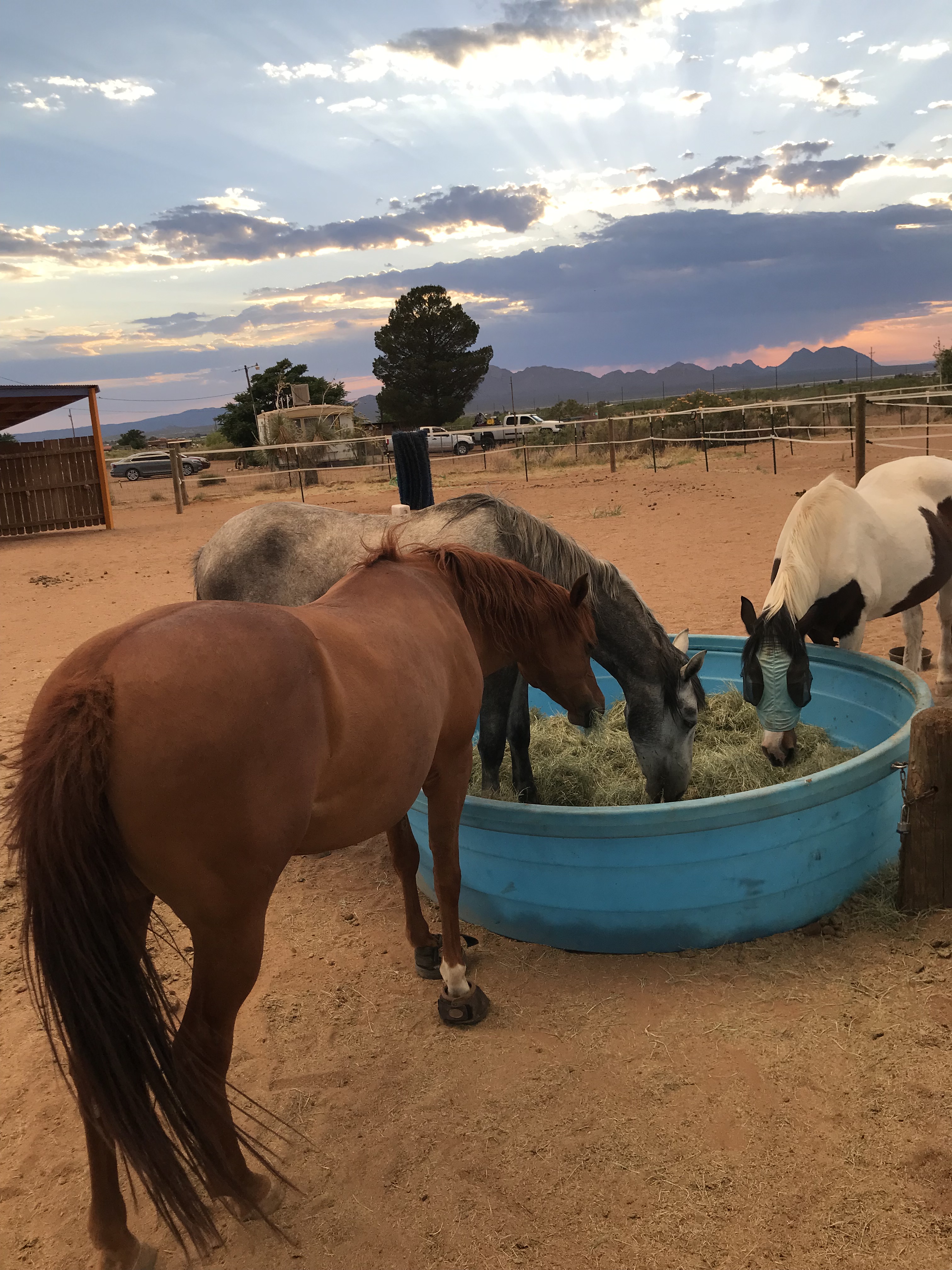
I’m so often caught between the joy of saving a life and the despair of losing one. Last month, within 2 days’ time, we had to euthanize and bury a beloved blind mare, well in her 30’s, who we had rescued from being dumped in the desert, starving. She lived 4 joy filled years with us. And we had another, Navajo Nations mare, also in her 30’s, colic from sand that builds up in her gut. This mare was saved by our amazing Vet who was able to run a nasogastric tube and release the hard packed “loaf” in her large intestine… I was afraid she could not be “tubed” because she has a large thyroid adenoma. Dr. Heather saved her.
And while these couple of days brought conflicting emotions (to all of us), I held our Vet, my friend, in love and gratitude, thinking about how her profession affects her. She understands my Herbal Horsemanship and we discuss what my medicines can do and what her medicines can do. Together, we have saved many horses here. We also lose some. That is a fact of Sanctuary, especially with such elderly and special needs residents. And that is a fact of the Veterinary profession.

Compassion fatigue definitions vary, but it boils down to feeling worn down by caring for others. How it expresses itself varies from feeling indifferent to the needs of others who are suffering (I have never felt that), to emotional disconnect and physical weariness. I admit, I can feel that. But, in this realm, it has to be short lived, dozens of other horses depend on me. It can even be expressed by “taking on the emotional or physical suffering of another”. Oh, yes… we empaths do that.

A lot of people raise horses, keeping them healthy (emotionally as well as physically) and we have a few here like that. The majority, though, I feel like I hold together with duct tape and Homeopathy! But my life has not just been “caregiver to equines”, I saw my Mum through heart failure, caring for her for over 3 years. I took care of a friend and her farm for 2 years… both up until they passed over. I am caregiver to my brother after his hemorrhagic stroke, which left him unable to walk, talk or see. Now, 9 years later, he can jog, talk and see. I spent 7 months with my teenage stepdaughter, seeing her through a pregnancy when everyone else turned their backs on her. I have saved so many dogs, even living in a shower stall with a Parvo puppy for 10 days… I Vet Teched in my youth and saw how hard it could be on the Vets, day in, day out, caring for clients’ animals and sometimes getting anger in return from devastated owners.

And especially with horses, the “things that can go wrong” run the gamut! While they seem so strong because they are large, their bodies are complex and often puzzling. They are fragile in ways that can creep up and surprise you! Proactive, preventative care is the only way a Sanctuary can run and keep horses (and mules) thriving. And we are not immune from the rage of people who become attached to a horse here. We’ve had helpers who broke down and verbally attacked me over the decision to euthanize a suffering horse or even over the simple decision to move a horse… and I understand their despair or their disappointment. Yet, I’m hurting, too. I make decisions in the best interests of the animals (or, when there is time, the Board of Directors makes the decision). It is actually a privilege to care for these equines and be around them and the majority of those involved here feel that way, too.

Compassion. It is vital. We need to have it for all animals and each other. Some days close with exhilaration and satisfaction (most do!). Some days close with deep, wounding pain and loss (thank goodness, few and far between). Every day has purpose here. When I feel overwhelmed or sad, I do tend to stuff it down deep, as if I might deal with it later… and I can feel the weight of this tactic in my bones. But I wouldn’t want to live any other life. I could learn to take better care of myself… I could find ways to add other “interests” to my life. But that’s not me. Single-minded, sometimes stubborn, always willing to accept help but always wanting to be self-sufficient, I am a horsewoman, a stablewoman. And compassion is my focus.
Categories: Saving Horses | Tags: , , | Leave a comment

Equines Assisting

I’ve been thinking a lot about “using” horses lately. Back in 2003, my four horses and I helped to establish an equine assisted therapies program locally. While the program had a theme that I did not agree with, the founders agreed that I was in control of my own horses (or I would not have done it!). My decision to participate was based upon helping youth and adults find the peace that I had lived with all my life in the presence of horses. And we did a lot of good.

I had seen some inappropriate horses (temperament-wise) brought into the program before I came on board. And the methodology (leaving clients with a halter and no explanation, to try to put it on a horse or leaving a group of non-horse people to try to move a horse around a paddock) worried me. I worried about humans getting hurt physically and the horses being injured emotionally.

At one point, with a blind-in-one-eye mare and an off the track Thoroughbred, the stable owner had insisted that these two horses were to be led about with a chain end lead rope (they easily spooked and bolted). When a woman came to evaluate the horses for the program being established, I was asked to help out. When I went to get the OTTB mare, the evaluator got right up in my face, took the chain and held it against my throat! She said, “how would you feel if I used this chain on you?”. I leaned into it, stared her in the eyes and said, “I’d figure I needed it if I was knocking people down and running over them”. She left. I was shaking. The husband of the barn owner asked me if I needed a glass of wine!

Later that day, with the evaluator’s daughters working the horses (chasing them) in a round pen, I sat nearby to watch. The lady sat beside me and told me that her daughters were champion barrel racers. I asked her what kind of bridles they used in competition. “Hackamores”, she said. “Mechanical hackamores?”, I asked. She nodded. “Don’t they have curb chains and possibly covered chain noses?”, I asked. She left.

I wasn’t happy with anything I was observing. The program was leasing space at that stable and trying to get “free horses”, volunteer helpers and, as a lifelong horsewoman, I realized that those involved knew little about equines. Fast forward – I ended up helping them.

While I was committed to helping the human clients, I was more dedicated to keeping the horses (especially my own) safe, sane and respected – rather than just being used as tools. To do that, I ran every client session when horses were involved. And I showed them how to halter a horse, then let then practice on my elder gelding. We groomed the horses, bathed the horses, free lunged them gently using communication and compassion. I lunged (slowly) clients mounted on my horses. We did a nighttime group session with the mothers of youth clients, and, with interns, we got every mom on my steady-as-a-rock TWH mare. A lot of good stuff happened.

We had a little girl who would run under my mare, no matter what you told her, how you explained it, the girl ran back and forth under the mare. I decided to make a fake horse with a sawhorse, papier mâché, blankets and cardboard… when the girl came again, I explained that she had to work with “Old Blue” until we could trust her with a real horse. She “groomed” Blue, put a halter on and off. I even found a little saddle and secured it on Blue so she could mount and dismount. She did end up with enough self-control to be with the “real” horses safely.

I have SO many stories from the years I spent, living with my horses, at the place we created for the Program. It continued after my horses and I left, and my hope was that we made an impression… that not all horses are suitable for therapy work, that horses are sentient and have feelings, that horses deserve respect. I was talking with friends today about how a horse knows what he knows – if he has never been tied, he won’t understand being tied. If a horse was never mounted from the off side (it’s important to do both equally), he might be confused or startled by it. Never been in a trailer/float – don’t expect him to hop in!

We humans can “use” horses in so many ways, discounting their needs, feelings and perspectives. We can also build a relationship with a horse based upon recognition of past experiences (for both parties), awareness of species specific and individual attributes and needs while thinking about what we are doing. It can take mere seconds to undo confidence and training in a horse, requiring years to repair – if it can be repaired. While I see so many owners/riders looking for methods and ideas to connect and find harmony with their horse(s), there are equally fervent horse owners obsessed with gimmicks and “quick fixes” to bend their horses to their will.

Those of us who grew up taking care of our horses ourselves, genuinely loving them and learning from them have a different way of approaching all aspects of our relationships with them. Our societies were built upon the backs of horses (and mules and donkeys), and we owe them our gratitude and compassion. Horses were used by humans to build, haul, travel, support and save us in ways we no longer require. So, we do not need to see equines through the eyes of objectification or glorification of ourselves. And even the realization of the innate gentleness and tendency to cooperate with us that equines possess does not mean that exploitation in areas of “healing” us is necessarily an honorable thing.

I’ve found myself deep in introspection through the decades of morphing into a Sanctuary. Here, we see horses (and mules) coming from one extreme to the other of care and handling. Some come from hoarding situations where a well-intentioned person got in over their head trying to save more than they could feed. Some were dumped in the desert to die. Some were beloved companions, and their human died. Some were cruelty seizures… yet these equines were able to forgive humans, given time and large doses of pure love.

In my early life as a Dressage and combined training rider, trainer and instructor, I was not in high demand (until my methods and holistic healing practices could turn a situation around) because I was “on the horse’s side”. Don’t get me wrong, I had many clients who wanted exactly that, but they were not competitive in a way that would “advance” my career and we were, none of us, prepared to sacrifice the wellbeing of a horse for competitive goals.

So, I plugged along writing (articles in Dressage & CT like “You have to listen, too” and “There is no aid for “oops”, on and on), teaching clinics, judging competitions (watching the horses and favoring those whose riders possessed compassion) and coaching my clients and their horses by recognizing effort and supporting their humane progress. As we all felt the deep connection and uplifting effects of our contact with horses, we realized that this whole experience was healing us.

We need to reciprocate. We need to heal them. Cherish them. And we need to teach those within our reach how to heal and cherish horses. While so much in this world is polarized, mankind’s relationship with the horse should not be. “Use them”/”Love them”… Our choice is so clear. Love is the honorable path. Would I use a chain end lead shank on a horse again? I’d prefer not to. I would prefer to connect with and slowly show a horse that I can be trusted (by being trustworthy) through my own behavior – rather than just needing to “get it done” or to placate a human’s needs… those things take time and patience. And love.

A mentor of mine, Mr. Charles deKunffy, taught me that “Love is the active promotion of the wellbeing of the love object”. Let’s choose that kind of love.

Categories: healing, Saving Horses | Tags: , , , , , , , | 5 Comments

Water is Life

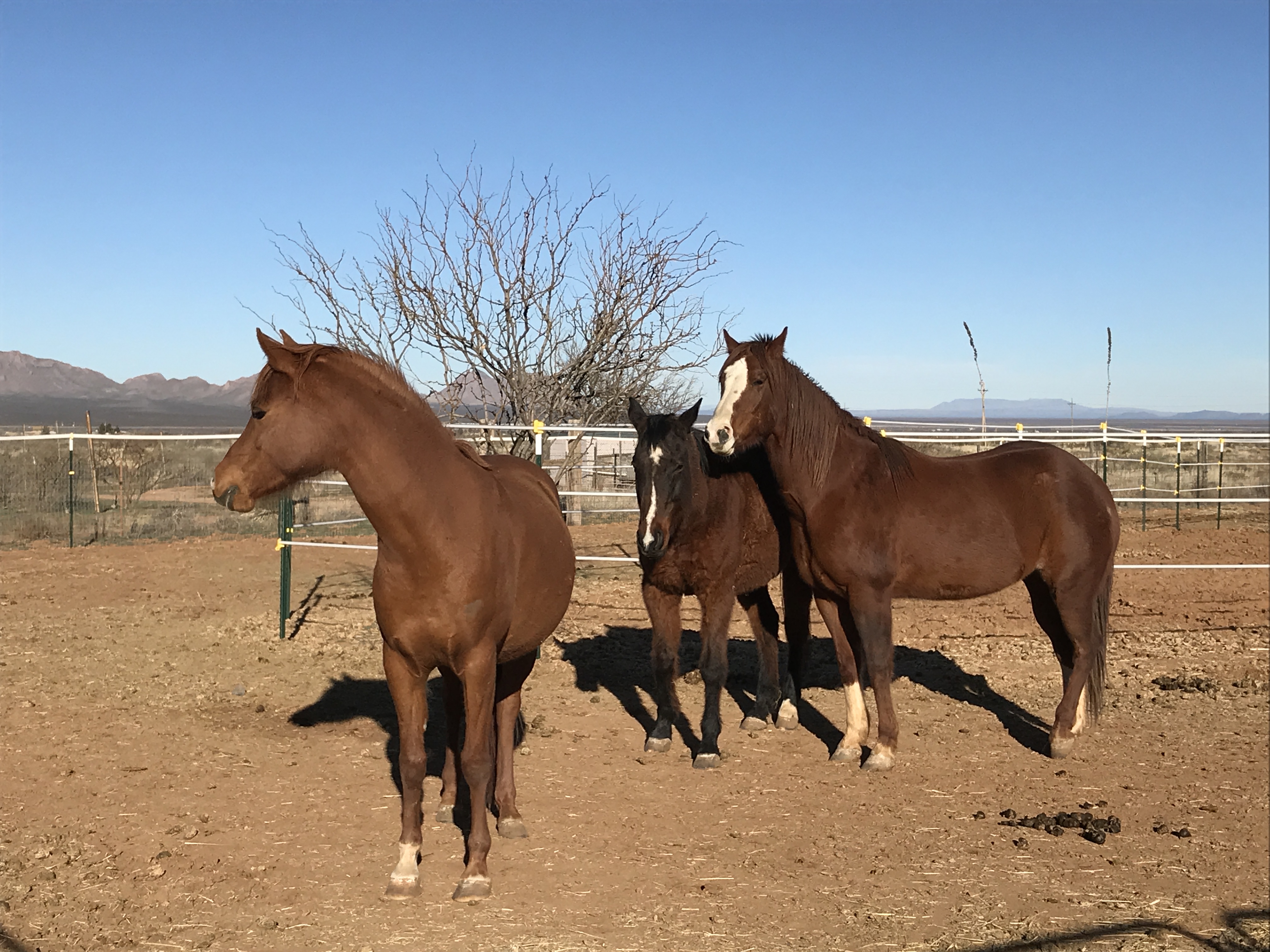
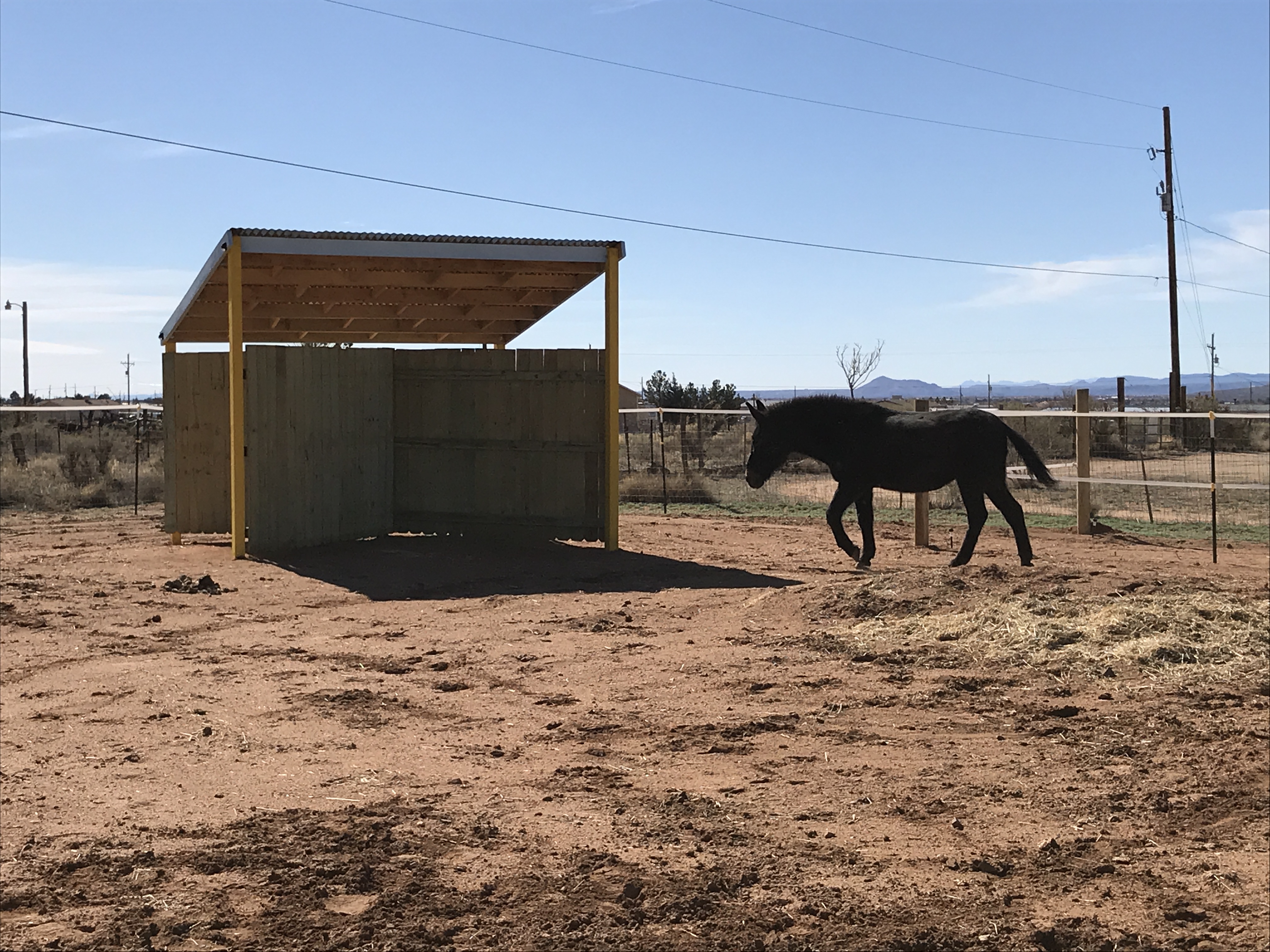
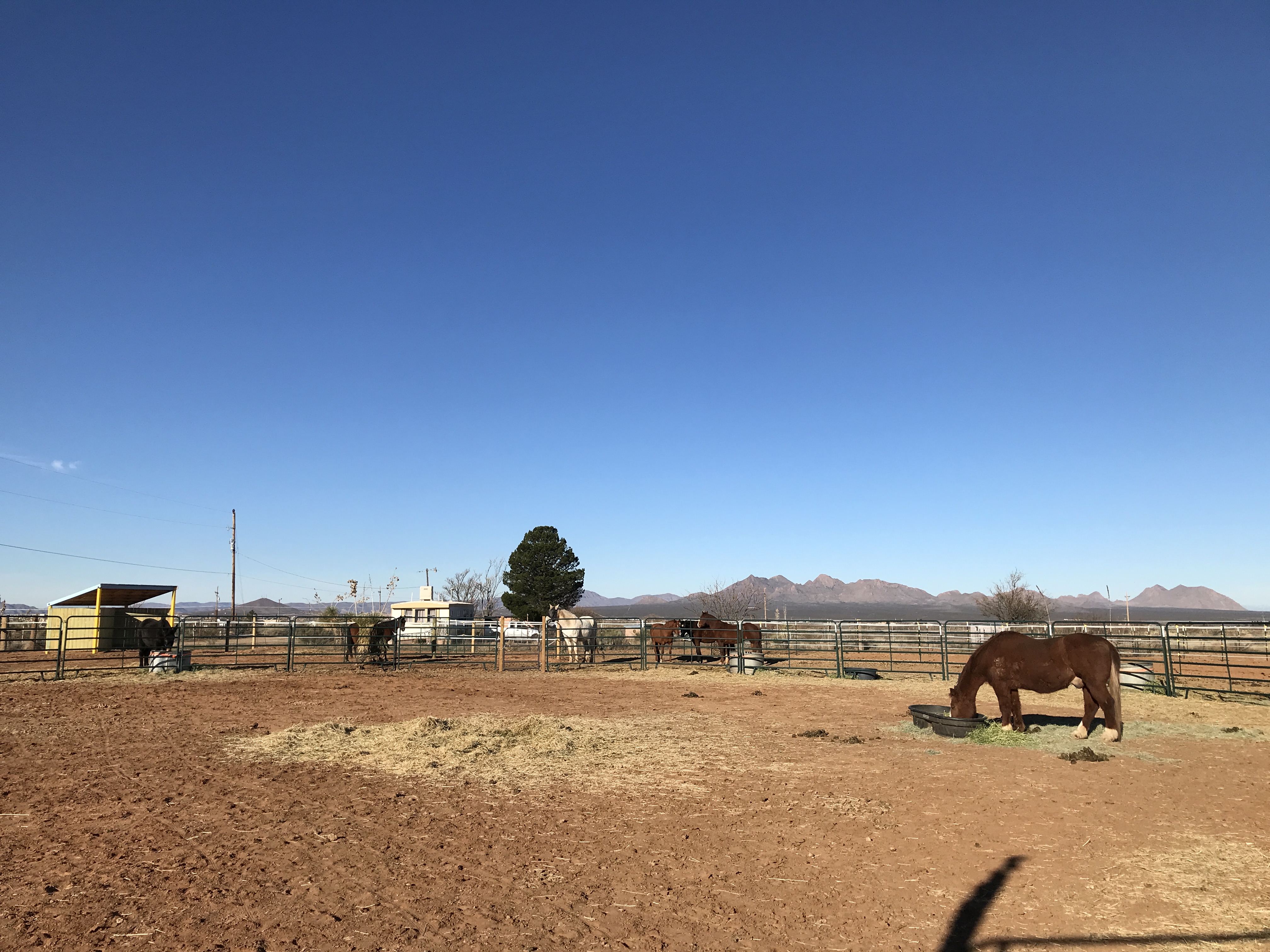
We have been adding to the herd on the track system at Dharmahorse Two. LungTa (the Draft gelding) and 4 mares have become a bonded herd with Joe (28 year old OTTB) needing his own private space and the newest addition, Teaberry, coming out of quarantine. Teaberry went to the central giant round pen four days ago and was integrated into the herd yesterday… he is a gelding, a youngster for DH at age 7! He and Luna hit it off (kids, they’re just kids!). We put Juniper in a side pen so she wouldn’t ramrod the new kiddo at first.

IMG_1029

IMG_1057

Last night, LungTa took Dream Cat (little Arabian mare) to a far corner of the track. This morning he still had her sequestered there. We brought Molly (the world’s greatest mule) and Bodhi over today and they are in the smaller track system by Joe. All was going well… except, LungTa and Dream Cat had not been near the water tubs!

IMG_1047

I couldn’t let them go long without drinking water – no matter what I did, LungTa channeled her back to the far corner. So, we put Teaberry back in the separate pen, Juniper back in the herd and I had to put Dream Cat in the central round pen for tonight where she will have her own water. She drank and drank! Then LungTa came back up the feeding stations / water area and HE drank and drank. Whew!!

What seem like the best of plans can work out differently than expected. Maybe some people would not have noticed that LungTa and Dream Cat were never going down to the waters… maybe an impaction colic (or two) would have been tomorrow’s destiny. But, we juggled things to make everyone as safe as we could. We hope to sleep tonight, we are weary.

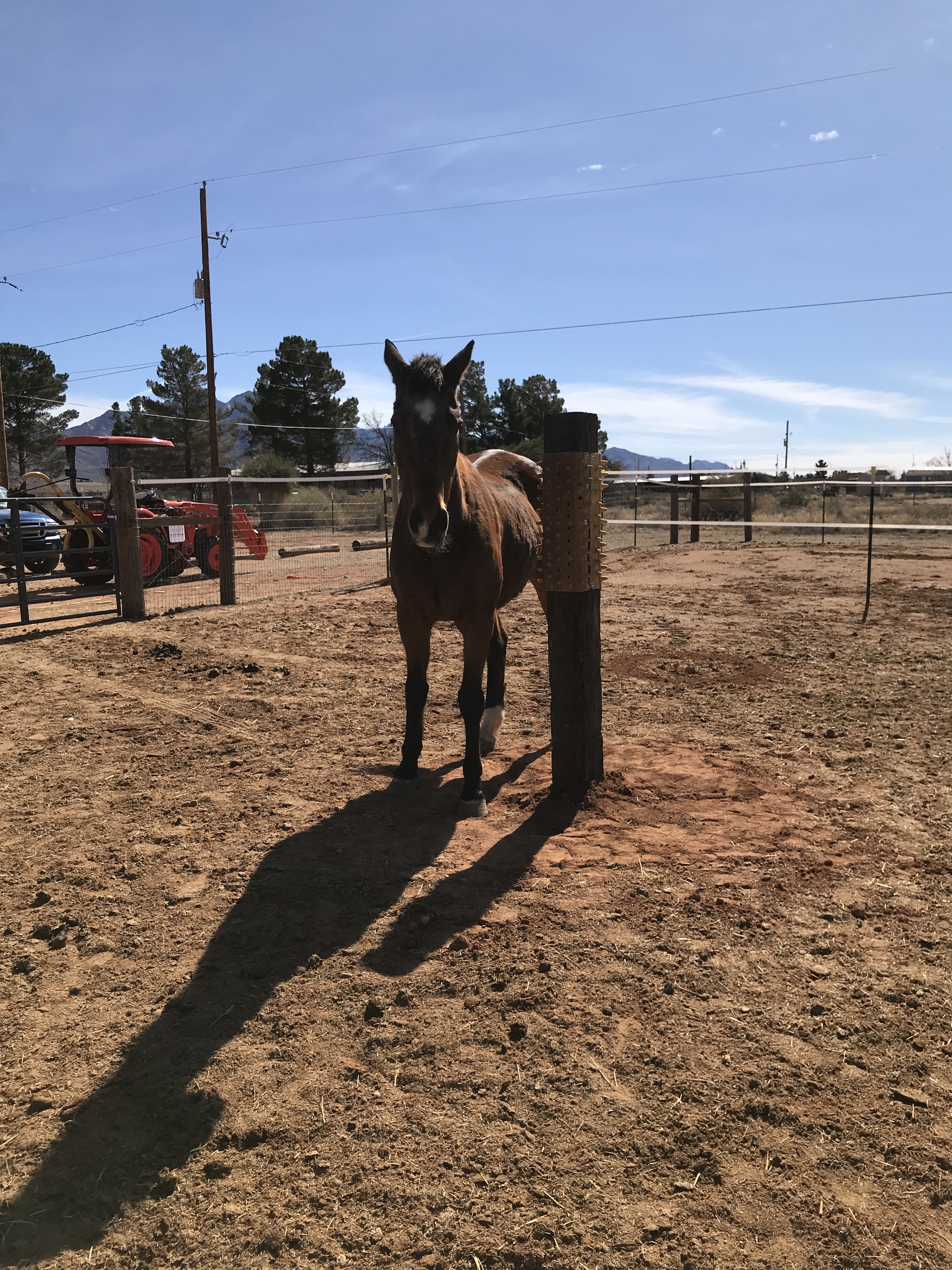
Because we had to change Joe’s pen and now he is fenced off from his beloved Yucca (he scratches himself on it), we put a big railroad tie deep in the ground and attached nobbley scratching pads all around it. Joe loves it! And, no worries, it’s supposed to get warm enough tomorrow for me to soak him in emulsified Jojoba oil and warm water (he has chronic dry skin, I have total empathy).

IMG_1046

Joe is gaining weight slowly. Teaberry is sound, he has been trotting and cantering around all day. Bodhi loves Molly, Molly is liking Bodhi well enough… Clemmy pretty much loves everyone and she is sound enough (she’s very “over in the knees”) to gallop full tilt across the whole yard! We left lights on around the DH2 Yard so no one loses their bearings tonight. Loving horses is all about these things.

IMG_1053

Water is Life. If LungTa and Dream Cat were not going to go to the water tubs, we, the thinking, responsible ones, had to find a solution. There is always a solution. Perhaps I will actually sleep tonight!

Categories: healing, protecting horses, Saving Horses | Tags: , , , , | Leave a comment

Object Permanence and Horses

A friend explained this concept to me a few weeks ago as I described to him how one of our horses in Sanctuary gets confused when a rider gets on him and “disappears” from sight. A light bulb turned on in me. Diamond is not being obstinate, not obtuse, he genuinely does not understand what has happened to the person who mounts him.

DSCN0157

While that may seem hard to fathom, after years now of working to heal his lameness, we had not been as connected to him as a riding horse. When soundness returned, we were careful to move gradually with him under saddle, making certain the footing for him was cushioned and that he only walked (for months). With another horse in the arena or with me walking along watching him and coaching a rider,  he seemed confident enough and willing to engage. I remained dedicated to getting and keeping him physically sound, without realizing that he had big gaps in his education and perception.

As students tried to take him out on the rail in the arena, away from me or another horse, he would worry. The rein and leg aids seemed to have little meaning to him. I knew he had been at a camp in the mountains, doing trail rides with children before he came to us. Thinking about this, I began to figure out that Diamond was comfortable as a “follower” and he likely only walked down the trails with his nose at another horse’s bum. He did not conceptualize a person sitting in the saddle giving him signals… he followed the other horses.

So, when we do a lesson on him, our success in getting him away from me and listening to his rider came with having his rider talk her directions to him continuously. If he is hearing her verbal signals, he stays connected enough to feel at ease and go where she wishes. If she is silent, he shuts down as if he has dropped an anchor and his confidence evaporates!

I then began thinking about the trainers who bring a young horse’s head and neck around to the saddle as they mount and stand during those first rides. It does effectively keep the horse from bolting, rearing or bucking, especially if one is starting the youngster without assistance – but now, I realize that the horse really sees where the rider has gone!

Oh yes, horses have great peripheral vision and can certainly see that something is there on their sides, but to know that a person is up there… I’m just not sure it comes by default.

We are working with Diamond. Filling in gaps, substituting the leg and rein aids for verbal aids. As time passes, I see him becoming more confident. I like him a lot and I want him to be able to comprehend what is going on, not just act as an automaton from being flooded and losing his desire to live. That’s not the way we operate here.


Categories: healing, Horse Training, Saving Horses | Tags: , , , | Leave a comment

The Right Way

I think about this constantly. I had some interaction with a woman who was chastising me for using a wand to direct my horse around me (loose in a turn out, no round pen, no lines or ropes) as he circled me happily. She is an advocate of clicker training.

So am I. I worked at a rescue that brought in Draft mares and foals from the PMU industry. There was an aggressive mare there whose daughter was still with her as a coming 3 year old! I used the clicker schooling (marking desired behavior) and was able to accomplish a lot with the mare to make her safer and help her understand us.

I trained Saddle Seat at one point back east; I rode colts off the track aiming to make them H/J prospects while in Florida; I had a blind retired Eventer that I rode! I worked with 3 year old colts and fillies who had never seen a human being until they were chased into stock trailers and unloaded into my barn aisle! I rode most of them eventually, but it was a long journey to get to the trust.

I rode under Charles deKunffy and trail rode my own mules… there are hundreds of ways to do things with horses and all of them are correct IF they do no harm.

You know why people get adamant about a particular style of training or handling or feeding a horse? It is because they’ve had success with it. That’s all. And because many roads can lead to the same destination, many people have lots of successes. That’s very cool!

IMG_2795

I sit here tonight thinking about how new, green horse peeps must feel confused or overwhelmed sometimes (especially with the endless information online) and wonder which is the “Right Way” with horses.

Imagine how confused and overwhelmed horses must feel by our methods! Truth is, horses are beyond remarkable. They can go from “owner” to “owner” and have to relearn or rethink what the signals and responses are from person to person. And try they do – horses want to please us!

If you are working with your horse and you are both safe and happy and understanding each other. You are doing it the Right Way.

Categories: Horse Training, joy, Saving Horses, vision | Tags: , , , | 4 Comments

The Healing Stew

Last week I was talking with a friend whose partner was having multiple maladies and could not go to work. She told me about his original problem – he was having leg cramps that kept him up at night. His doctor gave him a prescription for a sleep aid… the sleep remedy gave him anxiety attacks. He was given a prescription to suppress anxiety; which caused dizziness and he bruised his elbow badly after almost falling… so pain killers were added to his “stew”.

All of this was attempting to address the symptoms and nothing was addressing the original problem and what might have caused it – probably dehydration and/or low minerals like Magnesium! I have watched this with horses. Owners want immediate answers, immediate “relief” for the horse, so pharmaceuticals are added and tweaked until the side effects that accumulate become a bigger problem than the original complaint.

Don’t get me wrong – we need to suppress symptoms for our animals, we must be humane. But we must not consider that kind of relief as a cure… it is not. The underlying cause of the problem still exists.

A big old Stew of antibiotics, pain killers, steroids and/or vaccines are cooked up to “attack” a problem. For horses, a Veterinary farm call isn’t cheap, so many procedures are stacked to get the most stuff done for the money…

And the result of this desired outcome of money saved can often develop into much more work to do detoxing the affects of the original medications, even the risk of the horse’s life. “Seven way” and “Nine way” vaccine combinations given at the same time as a dewormer and sedation for dental work… ulcer meds, Cushings meds, tranquilizers for procedures (even for training), injections into joints, chemicals to suppress estrus, the list of possibilities for animals is astonishing. For humans, it’s mind boggling – just watch television – ads for a drug running 10 times as long as an ad for tires (and costing 10 times as much); listing side effects as young families smile and laugh and eat elegant food in a posh house… Then the ads begin from lawyers with class action lawsuits against the drug companies for all the deaths and trauma inflicted. All mixed up in an unhealthy stew.

Decades ago I taught classes at our University about healing horses and healing dogs through Nature. Holistic modalities and the different embodiments of our animals were my focus. I had people constantly asking how I determined which modality to use for an illness or injury – I needed to find a good way to describe my processes and I started calling it “Life Wave Integration”: honoring the Physical, Emotional, Mental and Spirit bodies of our animals. I wrote a book (now out of print), published before the Amazon way, that described this balancing process. It was called “The Well-Being of Pets & Companions”.

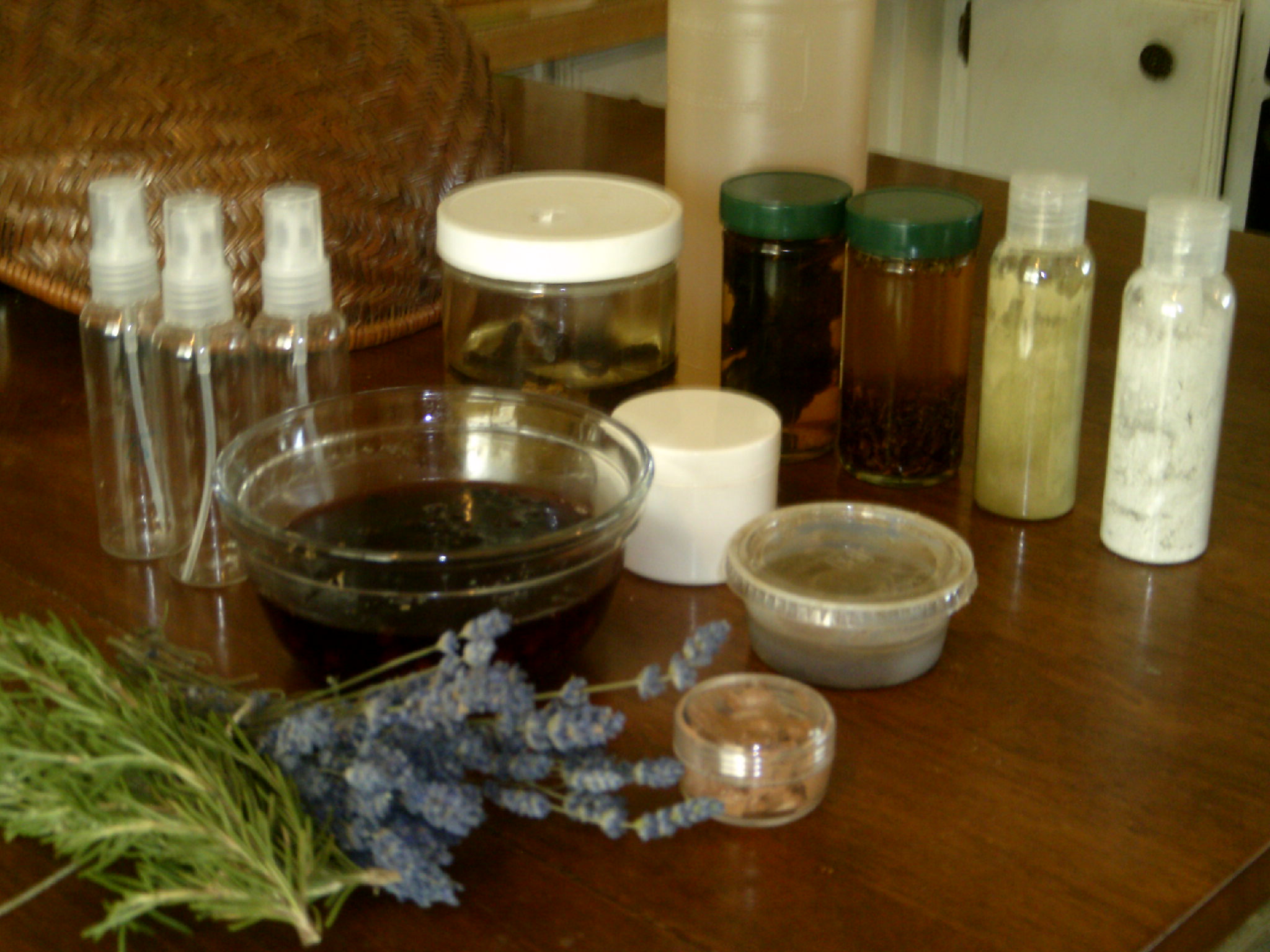
In my system, we used herbs and nutrition for the physical body; flower essences for the emotional body; essential oils for the mental body and stones/crystals for the spirit.

My beautiful picture

We, then and now, rely upon simple things – Colloidal Silver to kill pathogens; minerals to support bones and muscle and hooves; Homeopathics to realign the bodies… nutrition as medicine and making that as simple and clean as possible.

My beautiful picture

I would never tell someone to stop medications, ignore their Veterinarian, change their priorities. If one stops using allopathy, there must be a different plan to follow. You cannot just say, “I’ll never vaccinate again” without being aware of the need for and the methods to strengthen the immune system. Nature provides the methods… the baby’s first “milk” of colostrum gives the antibodies for his protection. Nature knows. The plants a horse instinctively seeks out and eats as a browser will have system boosting properties.

And for us, when we must use a vaccine, we give homeopathic Ledum and Thuja to prevent damages… hopefully. We feed red beets to clear toxins, burdock root to support the liver, calendula blossom for skin clearing, fresh parsley for the kidneys, hawthorn berries for the heart… every day, we choose foods to address the needs of each individual horse. Our horses thrive and heal… we even feed a lot of Magnesium!


Categories: healing, Saving Horses, vision | Tags: , , , , , | 2 Comments

Something to depend on…

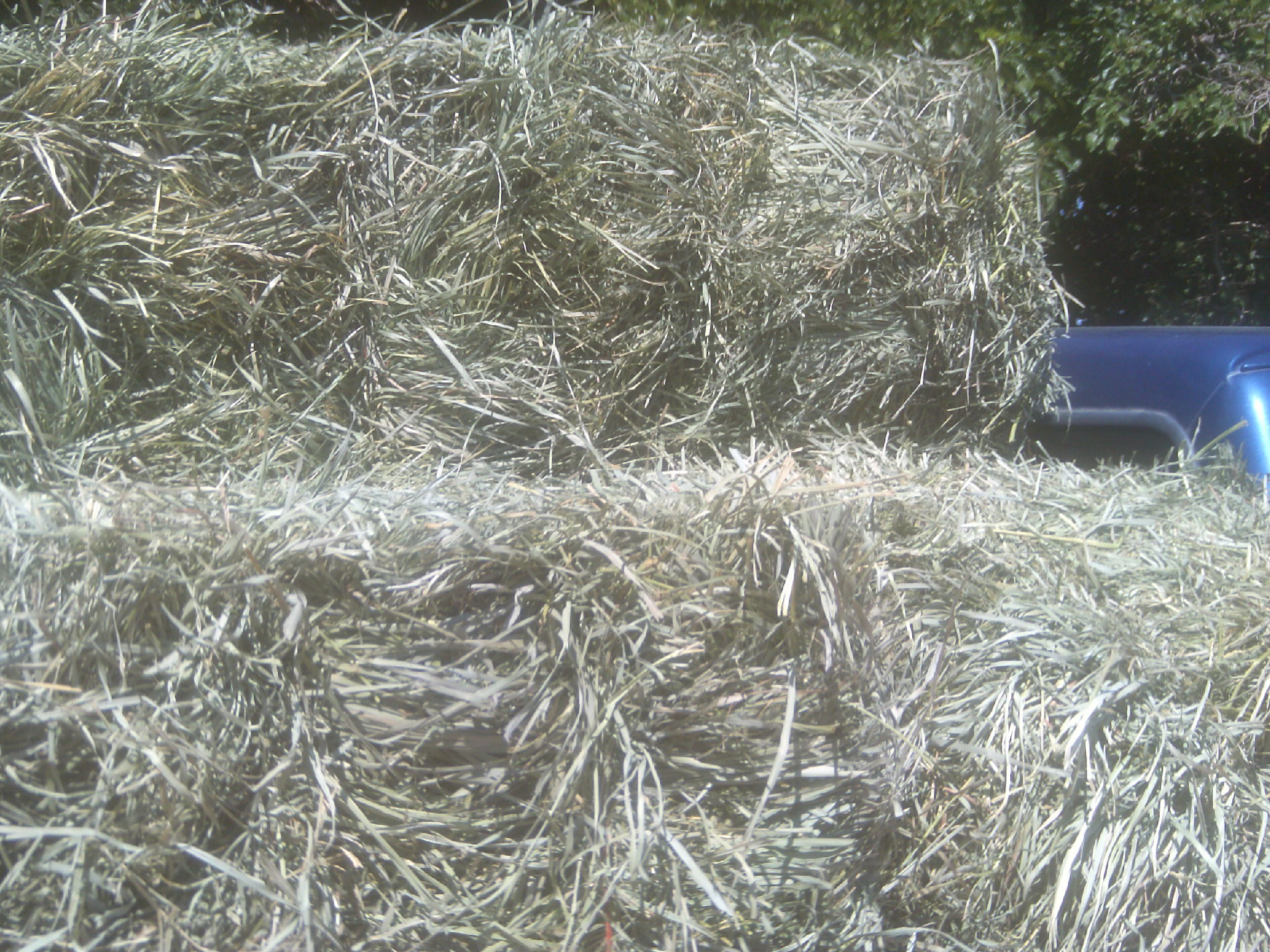
That’s what the horse’s gut requires. Right now, in New Mexico, we are having some struggles with getting hay, affording hay, the quality of hay…

Since we base all the horses’ diets here on roughage and there is no pasture on this high desert, hay is our most vital component for health, for nourishment. Changing the equine diet suddenly is detrimental to gut health. The only way to avoid digestive disturbance is to have at least one consistent food given every day, religiously.

For us that was Bermuda hay. As a base it is a good choice here. It does not have to be trucked in from a great distance like Timothy and other (nicer) grass hays. It can be in front of the horses “free choice” because they will not over eat Bermuda hay. Up until recently, the quality had been outstanding, each bale the same as another with sweet aroma, soft strands of tender dry grass… our experience for several years.

Lately, we have been lucky to get bales with sticks and clods of dirt in them. We were buying our alfalfa through friends who brought it over from Arizona. The advantage to it over locally produced alfalfa hay was/is the hay is grown all year ’round and there isn’t a rush of nutrients as happens here for the first cutting in spring. Yesterday, I had to purchase 4 bales of local alfalfa for $88.00 to grind for Vega. He is worth it. But, we pulled out some pieces of plastic and I had to examine a couple of beetles (they were not blister beetles) from it. It can drive you bonkers.

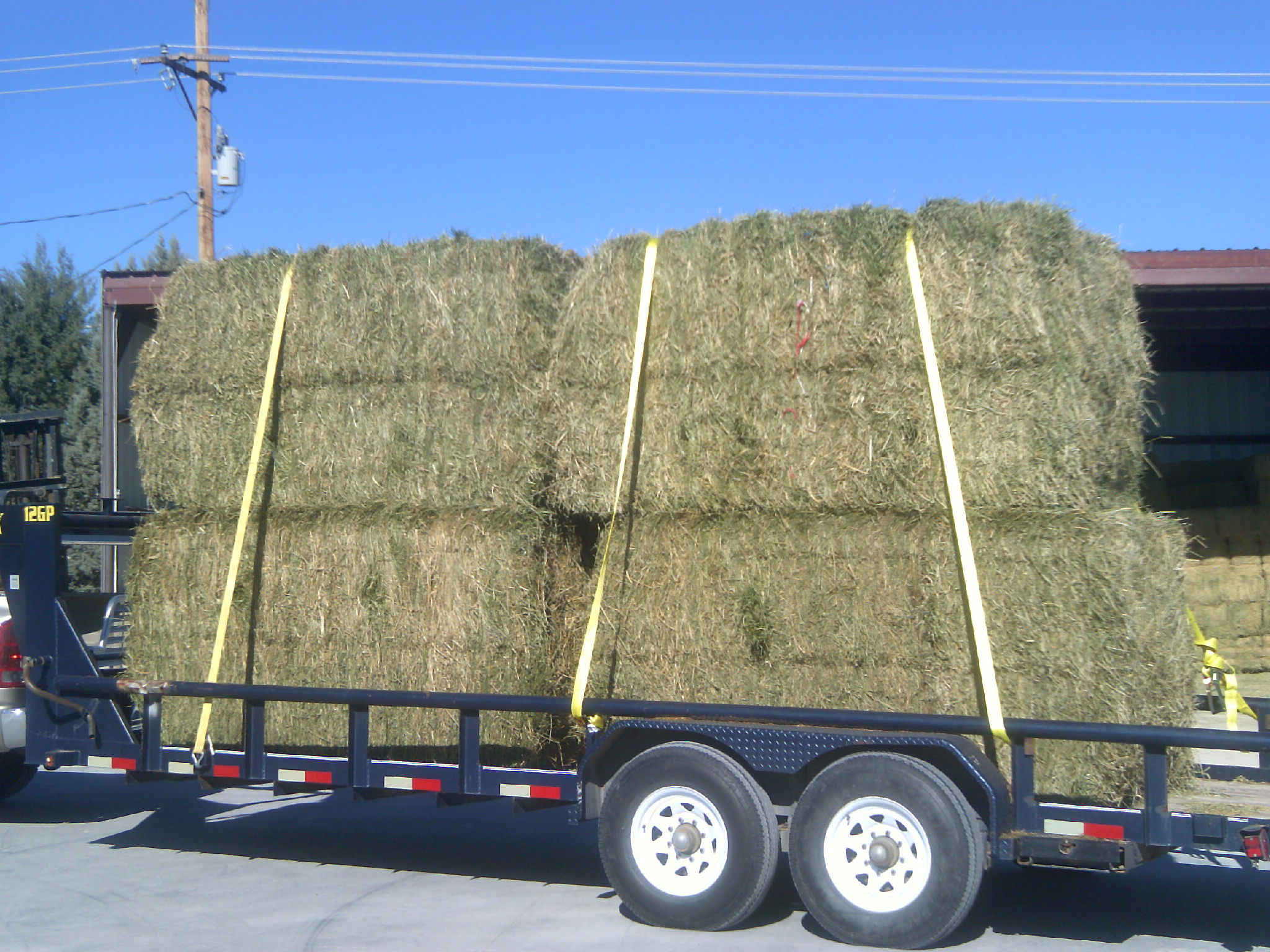
We got through a relatively harsh winter on beautiful grass hay donated by loving friends! We had some giant bales (one ton bales) also partly donated, partly purchased by us. It spoiled us! The struggle to unload such big bales and to chainsaw them in to manageable “flakes” was well worth it because the quality was so high.

Of course, all of that has been fed… used up by the first of this month.

My beautiful picture

My beautiful picture

So, now I search for a source of the beardless wheat hay I bought last spring that sustained the horses’ good health all by itself. It looks like, come May, there will some affordable beardless (touch wood). Last year, the monthly hay cost was between $1,000 and $1,200. To be able to buy enough hay for 6 months would be a wise and wonderful thing… to gather $7,000 in donations to do so has not been our reality – we’ve been excited to get enough donations on a month by month basis!

Then there is bran, linseed meal, herbs, salt, etc. etc. Not to mention the stress financially of needing X rays or dental work on one of the horses…

So, something we depend on is a grass hay that we can base the horses’ rations upon consistently, day in, day out. We depend upon donors who provide the funds to buy the hay. We depend upon each other to drive to get the feed, unload it, secure it from the weather, feed it… so far, Mark and I pay for all the petrol to do these things. Dharmahorse does not have enough money to cover it and while we barely do, we believe in this Sanctuary.

So, something we depend on, above all else is each other. And that makes everything else possible.

Categories: Life, Saving Horses, struggle | Tags: , , , | Leave a comment

Pathways

Even when it seems like we are treading water – movement is assured in this life. As I have watched several horses pass over to the next life, assisted with a precious spirit I tried to save and listened to the grieving of others whose animals have departed, I feel honored and humbled by the beloved beings I have known

Whether for decades, years or months, the connection to another is deepened by the knowing of each others’ essence and the realization that the veils between this life and the next are thin indeed. I have known horses I will never forget. The special ones who have been rescued from dire conditions and certain death are the most memorable sometimes. The ones who tried valiantly but could not rally against the neglect and injury are the most memorable always.

My beautiful picture

As I look toward the rest of winter and we all retreat a little bit into our personal hibernation of the spirit – using the longer nights and cooler weather to rest a bit more and meditate a little deeper – I can exhale.

So much depends upon the love and awareness we have for our animals. Their lives are literally in our hands and we must do the best we possibly can for them.

Categories: Life, Saving Horses | Tags: , , | Leave a comment

Don’t Panic

Sometimes waiting is the best of answers. Moderation is the wisest way.

As I wrestled, lately, with thoughts of letting my precious Majic go – the horse who came here with me and started this incarnation of Dharmahorse with me – I felt such despair and sadness. He has helped hundreds of people through the years… helped them learn to ride; helped them overcome fears; helped them feel safe; listened to them and made them laugh…

majic

Majic has been dealing with his mechanical founder for a few years now. He has had great years where he could give rides and gallop in the turn out with Lung Ta. He has had bad times when his metabolism, the weather and the hooves have all seemed to conspire against him. But, he never stops eating; he never stops “smiling”.

The past couple of weeks have been a struggle for him – in cold weather, to boot. We had put down pea gravel for the other foundered rescue (it is really helping her – a 30 year old mare who was a victim of horse tripping). I thought I was being wise when I put Majic in with her (Damaru) and at first the gravel seemed comfortable for him. Then, he lost his footing getting up from a nap as it made him slide and he fell backwards onto his bum, wrenching his muscles.

Back in his old pen with his stall full of shavings, he needed assistance to get up each time from a lie down. To do that, I had to lift him with a longe line around his hind end. Soon, I was in trouble, wrenching the neck and back muscles I had hurt four years ago from lifting my Mum when I cared for her in her last years.

Suddenly, as if he knew I was in trouble, Majic started getting up on his own! His strength is slowly returning… I ordered the Cetyl M supplement that healed my 18 year old dog of hip and back injuries (she lived, mobile, till 21) in the equine formula and can’t wait for its arrival. I am glad I didn’t give up. I am glad I didn’t panic.

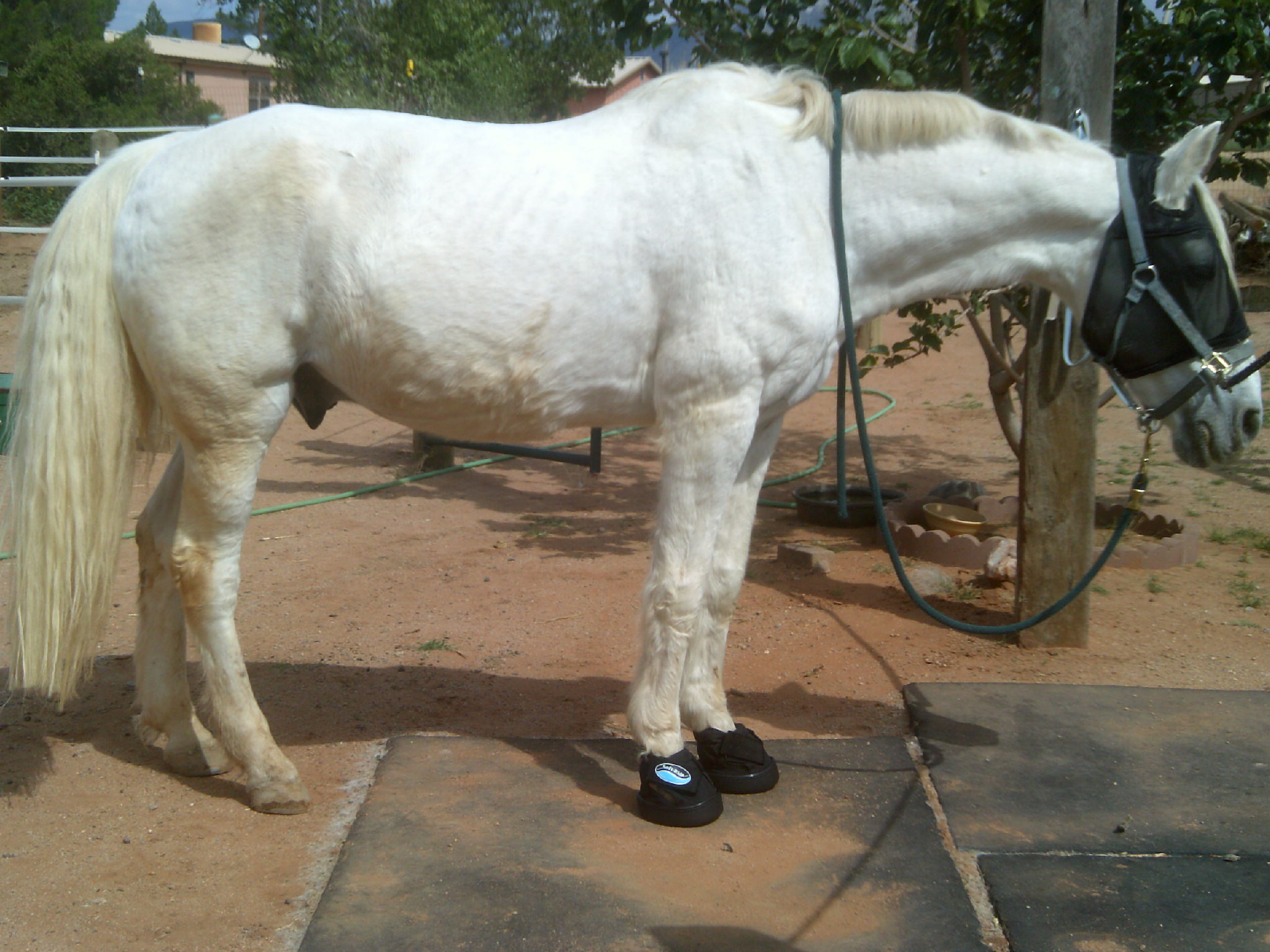
A year ago, our precious “Vega” ( a retired Eventer who will be 40 years old next year) was injured when a young hoof trimmer brutalized him for trying to pull a hind hoof away. This brutality consisted of lifting his leg high enough to break ancient bones while fighting with and yelling at him (the most mannered horse I’ve ever known!). Elderly Vega was being trimmed too short and just couldn’t bear it – I yelled “STOP!” but was too late to prevent the damage – by now, I feel sure no bones broke – but we thought for almost 3 months that he wouldn’t survive. Vega was in constant pain, limping on all 4 hooves. We put 4 hoof boots with pads on him. He got pain killers, herbs and homeopathics daily. I cried every night.

6

His body was and is strong from a lifetime of being an athlete – thank goodness. He recovered, pretty much. One hip (the one that was brutalized) still gives him some trouble… and I will never forgive myself for allowing it to happen – but Vega forgives me. And I did not panic while he was healing… I took it one day at a time. So did Vega.

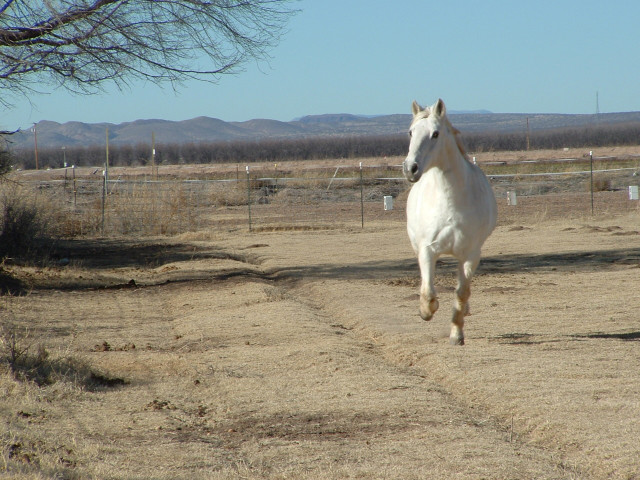
So now, when Vega gallops full tilt in his pen (like tonight as Mark is mixing his chopped hay to soak), I thank all the forces in the Universe for his recovery.

I won’t let the young man touch any of our horses again. And I have come to believe that many barefoot trimming practices just take too much hoof… in an attempt to make hooves “look” a certain way, how the horse feels can be forgotten. A horse should feel better after his hooves are trimmed, not worse. Majic’s founder, way back, was the result of being trimmed WAY too short… and I will forever blame myself for that, too; for allowing it to happen.

And, I’m not criticizing anyone or anything tonight. No one is perfect and we all learn from mistakes and miscalculations. I learn stuff every day! And, if I take a deep breath; consult my “gut”; refuse to panic; remember past foibles; follow my heart and use what I have in my “tool kit” for horse care and self care… I can sleep at night and rise each morning ready to do whatever needs to be done. And, as a Buddhist, follow the “Middle Way”, all things in moderation…

Life is good. No panic needed.


Categories: healing, Life, Saving Horses | Tags: , | 2 Comments

The Well of Experiences

Our lives – and those of our horses are filled with experiences. You can think of these as drops like water that fill a “well”. Of a positive or negative nature; these “drops” determine what we expect from current circumstances and experiences!

My beautiful picture

Become Trustworthy
This is the main way in which we can support the trust of our horses. We must be the source of positive experiences in their lives and through repetition and building of the confident, pleasant encounters – we actually “crowd out” the negative memories in time.

This is a Natural Path of simple, mutual respect that brings Harmony to our relationship with Horses.

If your horse has mostly negative experiences in his “Well”, with every new experience he faces, his expectation will be something negative! Only by patiently and consistently adding positive “drops”/experiences, can you overcome the initial response of fear, anger or apprehension that is generated by negativity.

And a being whose experiences have been mostly positive will be open and often eager to face a new experience.

Categories: Horse Training, Life, Saving Horses | Tags: , , | 1 Comment

Blog at WordPress.com.