Posts Tagged With: horse

Beast of Burden

I saw a line of dozens of Yaks carrying three big, full bags each on their backs, trekking around a mountain in the Himalayas. The photo stayed with me, like pictures of donkeys carrying bricks or pulling carts with five people in them. Animals carry our burdens – and not just physically. Equines, especially, hold the form for humanity and always have.

And not just the animals in the photos haunt me; there are humans struggling, like the miners in tunnels with ponies (or even full-size horses), sharing the burden of hard work, shortened lives and injuries. What has been given (or taken) to build the world we now live in is a debt we owe. The modern world owes the animals and ancestors for the lack of struggle we now experience. Of course, much of this world is still building, struggling, pushing its way for simple existence. The disparity can be mind boggling.

The horses, mules and donkeys (as well as other species) silently conform. When they are well cared for and cherished, their humans stand beside them and there is gratitude. When they are disrespected and “disposable”, the humans show no thanks and offer no comfort for them. Am I speaking only of the horses plowing fields, carrying loads, fighting wars… Nope.

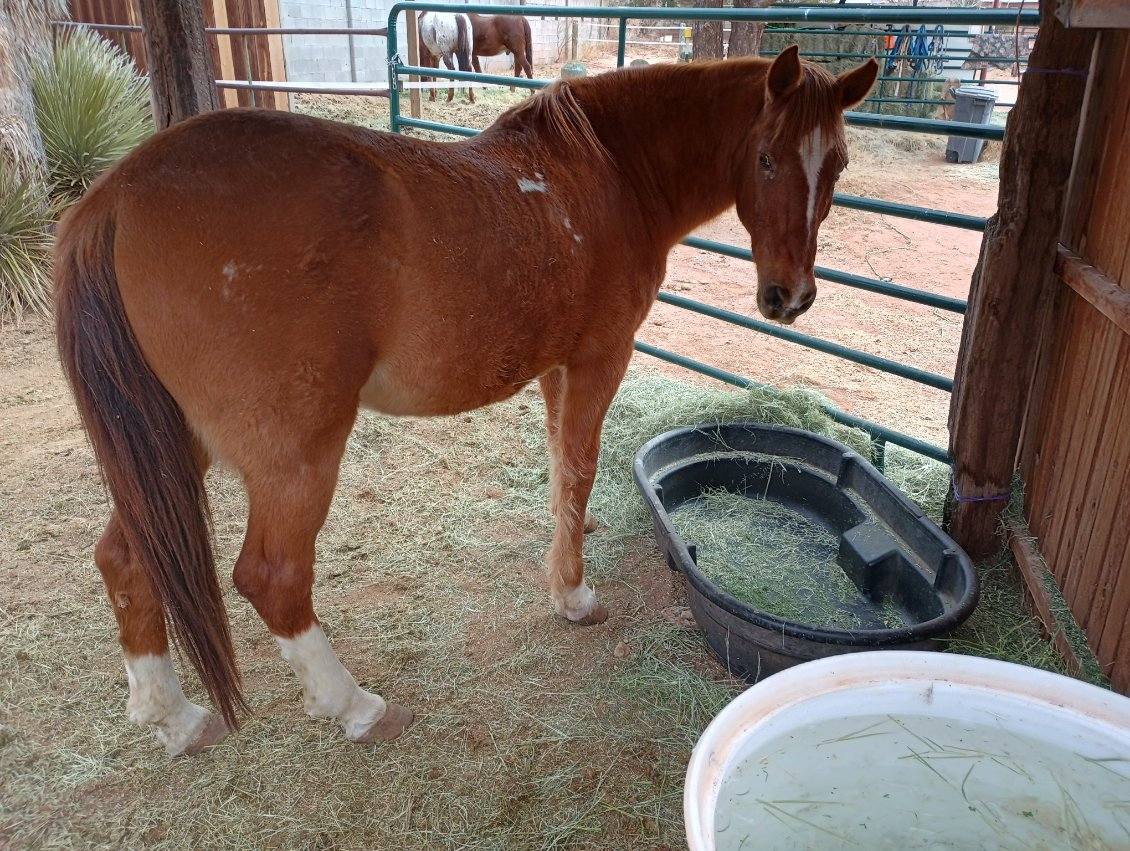
There are equines in competitions, riding schools, racing stables, dude ranches… all living either lives of care and appreciation or lives of exploitation. We see it all in the intakes to Sanctuary. An equine’s needs are pretty basic, for good health and longevity. Meeting those basics is the least a human can do and ensuring other needs (companionship, enrichment, comfort and happiness) is the debt we owe.

I have carried burdens (we all have), physical, emotional, mental burdens. Some by choice and others were imposed upon me. Horses never have a choice. Wild horses (& donkeys) can make choices. Their lives are free from our meddling but are not free from dire circumstances. Every living thing faces the consequences of a finite body and the fluctuations of climate and terrain.
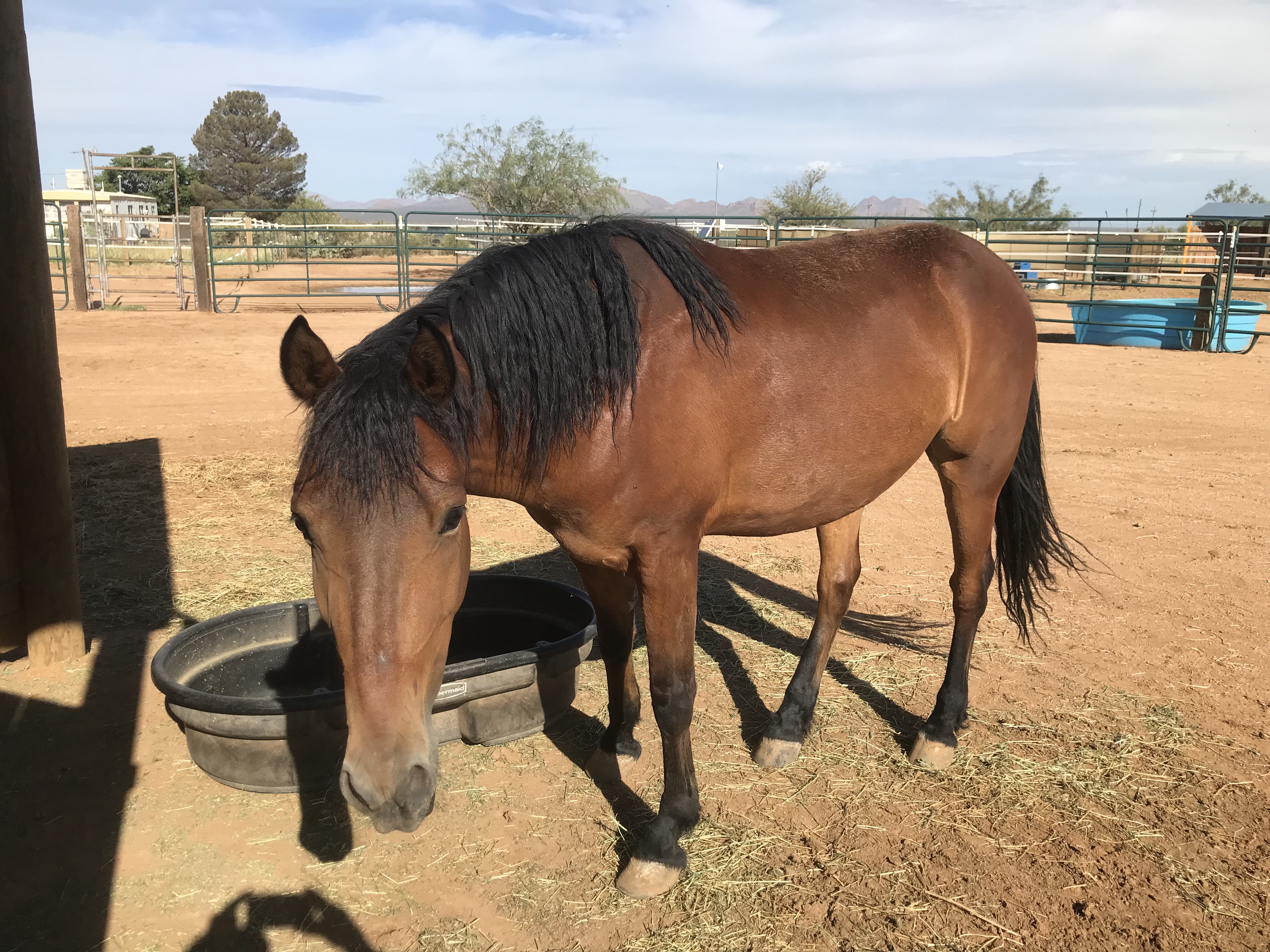
Human beings can offer the equine a safe refuge… it’s what we do here, and hundreds of other rescues and sanctuaries do around the country – around the world. For a horse whose life has been stark, oppressive, even cruel, finding sanctuary is a light at the end of a seemingly endless tunnel. The two horses and one mule we took in this past year from a cruelty seizure were beaten, starved, bloody and oozing infection when taken from the monster who used them as “trail mounts”… until a customer recognized the abuse and reported him.

Beasts of burden. Carrying the burdens of humans. It does not have to be cruel. From working in the fields to carrying a rider in competition, the priorities of the human determine the life of the animal and the extent of their suffering or the degree of their pleasure. Horses try to please us. Only when pushed to the point of unbearable pain or confusion do they lash out in self-defense.

How do we change a mindset of “using animals” to an awareness of stewardship? We set examples. We refer to animals as “he” and “she”, not it. We openly speak of their needs and their sovereignty as sentient beings. We take responsibility for our own and keep them to the end of their lives, compassionately letting them go when their quality of life cannot be restored. And we do that humanely.

And how do we connect more deeply with our horses (or dogs, or Yaks…)? We look into their eyes. The three equines I spoke of (who were brutalized) had dull, half-closed eyes with no life behind them. After receiving proper care and being loved, they became new beings. Their eyes were bigger, their sparkle returned and there was life behind them. All it took was kindness wrapped in nutrition and Veterinary care, the very things they were owed from the very beginning. Love is simple. Healing can be simple. We humans just have to provide for the animals the simplicity of compassion.
Categories: Uncategorized | Tags: , , , | 4 Comments

Equines Assisting

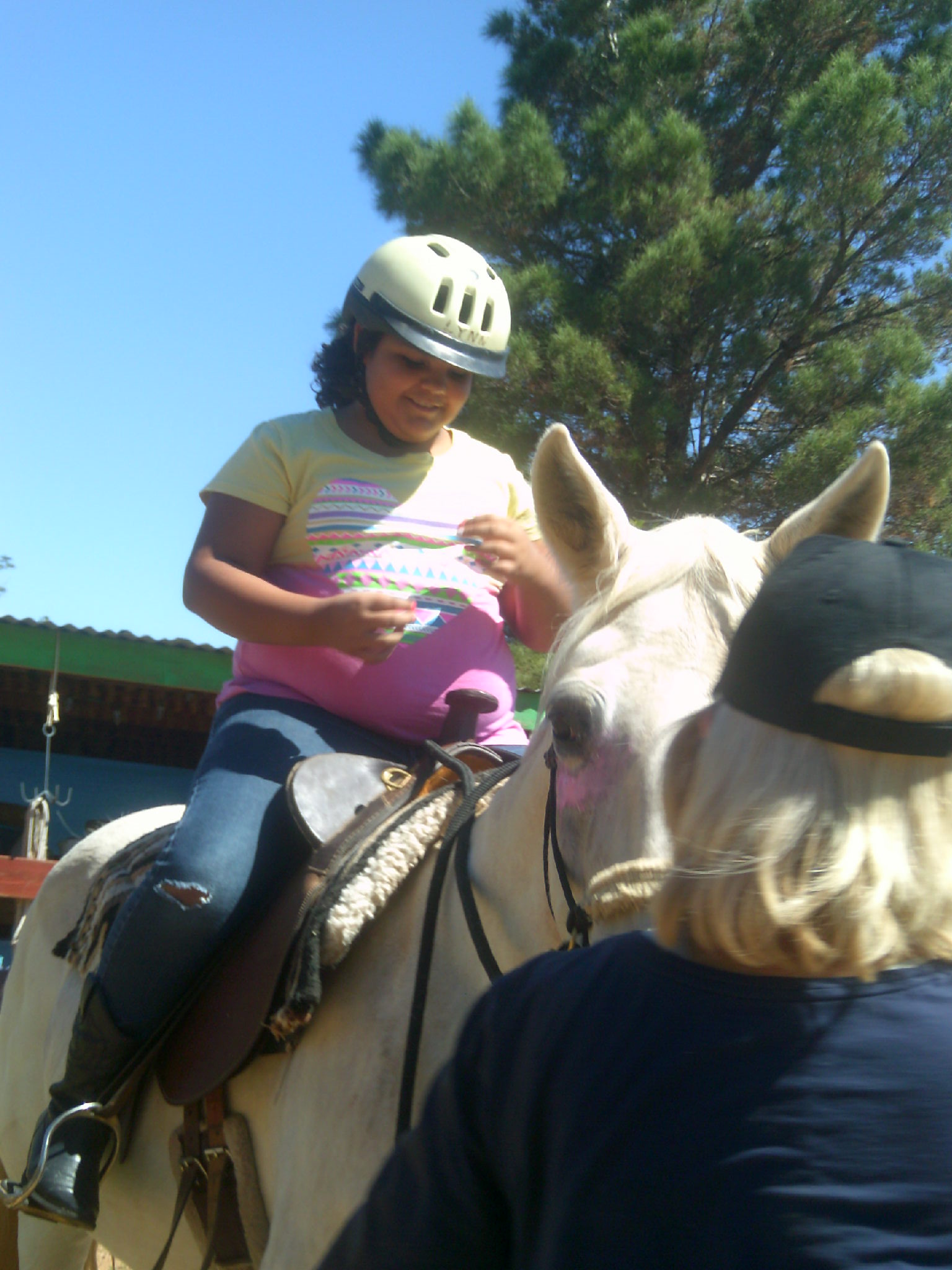
I’ve been thinking a lot about “using” horses lately. Back in 2003, my four horses and I helped to establish an equine assisted therapies program locally. While the program had a theme that I did not agree with, the founders agreed that I was in control of my own horses (or I would not have done it!). My decision to participate was based upon helping youth and adults find the peace that I had lived with all my life in the presence of horses. And we did a lot of good.

I had seen some inappropriate horses (temperament-wise) brought into the program before I came on board. And the methodology (leaving clients with a halter and no explanation, to try to put it on a horse or leaving a group of non-horse people to try to move a horse around a paddock) worried me. I worried about humans getting hurt physically and the horses being injured emotionally.

At one point, with a blind-in-one-eye mare and an off the track Thoroughbred, the stable owner had insisted that these two horses were to be led about with a chain end lead rope (they easily spooked and bolted). When a woman came to evaluate the horses for the program being established, I was asked to help out. When I went to get the OTTB mare, the evaluator got right up in my face, took the chain and held it against my throat! She said, “how would you feel if I used this chain on you?”. I leaned into it, stared her in the eyes and said, “I’d figure I needed it if I was knocking people down and running over them”. She left. I was shaking. The husband of the barn owner asked me if I needed a glass of wine!

Later that day, with the evaluator’s daughters working the horses (chasing them) in a round pen, I sat nearby to watch. The lady sat beside me and told me that her daughters were champion barrel racers. I asked her what kind of bridles they used in competition. “Hackamores”, she said. “Mechanical hackamores?”, I asked. She nodded. “Don’t they have curb chains and possibly covered chain noses?”, I asked. She left.

I wasn’t happy with anything I was observing. The program was leasing space at that stable and trying to get “free horses”, volunteer helpers and, as a lifelong horsewoman, I realized that those involved knew little about equines. Fast forward – I ended up helping them.

While I was committed to helping the human clients, I was more dedicated to keeping the horses (especially my own) safe, sane and respected – rather than just being used as tools. To do that, I ran every client session when horses were involved. And I showed them how to halter a horse, then let then practice on my elder gelding. We groomed the horses, bathed the horses, free lunged them gently using communication and compassion. I lunged (slowly) clients mounted on my horses. We did a nighttime group session with the mothers of youth clients, and, with interns, we got every mom on my steady-as-a-rock TWH mare. A lot of good stuff happened.

We had a little girl who would run under my mare, no matter what you told her, how you explained it, the girl ran back and forth under the mare. I decided to make a fake horse with a sawhorse, papier mâché, blankets and cardboard… when the girl came again, I explained that she had to work with “Old Blue” until we could trust her with a real horse. She “groomed” Blue, put a halter on and off. I even found a little saddle and secured it on Blue so she could mount and dismount. She did end up with enough self-control to be with the “real” horses safely.

I have SO many stories from the years I spent, living with my horses, at the place we created for the Program. It continued after my horses and I left, and my hope was that we made an impression… that not all horses are suitable for therapy work, that horses are sentient and have feelings, that horses deserve respect. I was talking with friends today about how a horse knows what he knows – if he has never been tied, he won’t understand being tied. If a horse was never mounted from the off side (it’s important to do both equally), he might be confused or startled by it. Never been in a trailer/float – don’t expect him to hop in!

We humans can “use” horses in so many ways, discounting their needs, feelings and perspectives. We can also build a relationship with a horse based upon recognition of past experiences (for both parties), awareness of species specific and individual attributes and needs while thinking about what we are doing. It can take mere seconds to undo confidence and training in a horse, requiring years to repair – if it can be repaired. While I see so many owners/riders looking for methods and ideas to connect and find harmony with their horse(s), there are equally fervent horse owners obsessed with gimmicks and “quick fixes” to bend their horses to their will.

Those of us who grew up taking care of our horses ourselves, genuinely loving them and learning from them have a different way of approaching all aspects of our relationships with them. Our societies were built upon the backs of horses (and mules and donkeys), and we owe them our gratitude and compassion. Horses were used by humans to build, haul, travel, support and save us in ways we no longer require. So, we do not need to see equines through the eyes of objectification or glorification of ourselves. And even the realization of the innate gentleness and tendency to cooperate with us that equines possess does not mean that exploitation in areas of “healing” us is necessarily an honorable thing.

I’ve found myself deep in introspection through the decades of morphing into a Sanctuary. Here, we see horses (and mules) coming from one extreme to the other of care and handling. Some come from hoarding situations where a well-intentioned person got in over their head trying to save more than they could feed. Some were dumped in the desert to die. Some were beloved companions, and their human died. Some were cruelty seizures… yet these equines were able to forgive humans, given time and large doses of pure love.

In my early life as a Dressage and combined training rider, trainer and instructor, I was not in high demand (until my methods and holistic healing practices could turn a situation around) because I was “on the horse’s side”. Don’t get me wrong, I had many clients who wanted exactly that, but they were not competitive in a way that would “advance” my career and we were, none of us, prepared to sacrifice the wellbeing of a horse for competitive goals.

So, I plugged along writing (articles in Dressage & CT like “You have to listen, too” and “There is no aid for “oops”, on and on), teaching clinics, judging competitions (watching the horses and favoring those whose riders possessed compassion) and coaching my clients and their horses by recognizing effort and supporting their humane progress. As we all felt the deep connection and uplifting effects of our contact with horses, we realized that this whole experience was healing us.

We need to reciprocate. We need to heal them. Cherish them. And we need to teach those within our reach how to heal and cherish horses. While so much in this world is polarized, mankind’s relationship with the horse should not be. “Use them”/”Love them”… Our choice is so clear. Love is the honorable path. Would I use a chain end lead shank on a horse again? I’d prefer not to. I would prefer to connect with and slowly show a horse that I can be trusted (by being trustworthy) through my own behavior – rather than just needing to “get it done” or to placate a human’s needs… those things take time and patience. And love.

A mentor of mine, Mr. Charles deKunffy, taught me that “Love is the active promotion of the wellbeing of the love object”. Let’s choose that kind of love.

Categories: healing, Saving Horses | Tags: , , , , , , , | 5 Comments

Change isn’t easy for horses

Horses are “creatures of habit”. With all of the wildfires, floods and rescue efforts in the news lately, a serious fact of equine nature is being announced across the internet – horses that must be turned loose to escape disasters must be locked out of their barns or they will return to them. Horse people have long known that, in a barn fire, one must blindfold and lead a horse to safety and then secure them elsewhere so they will not return to the burning structure. With frightening storms and flooding, horses must be allowed to find high ground, if possible.

Horses are comforted by familiarity. Just as a human can return to a brutal relationship because it is what they know; horses can find solace in strange situations for the same reasons. Home is safety, home is comfort. And this becomes foremost on my mind when we have a new intake here at the sanctuary.

We rarely know anything about the background on a new horse or mule. Often an estray has been dumped in the desert and if they were once loved, they feel betrayed and confused. All we can do is make them comfortable and start from scratch, making this their home. If we know details from their past, we use that information to make changes gradually.

If you buy a new equine, find out all you can about that horse’s care, training, feeding and preferences. You might be planning to greatly improve aspects of his or her life, but to change things suddenly (even for the better) can be alarming to the horse. Try to maintain some of the familiar routines, especially what has been fed, and make changes gradually for the good health physically and mentally of your horse. They say it takes at least ten days for the horse’s digestive system to adjust to a new item in his or her feed. You want to add the new food in a small amount the first day then slowly add more of it while reducing the familiar feed until the complete change is made. This is especially important when going from dry feed like hay to the richer pasture.

If you plan to dramatically change the style in which your new horse is ridden, spend a few days with the type of equipment he or she has been used to so that your communication makes sense. Then you can change one aspect at a time to allow adjustments in the horse’s perceptions, understanding and how it all feels physically. Do a little bit often. Sometimes working with the horse 3 times a day for 15 minutes does more good for the adjustment period than one 45 minute session.

Think about the type of facility this horse has been used to – if he has never touched an electric fence wire, he may become panicked when he is first shocked on your electric fence! Think about the visibility of your fences. The smaller a fenced area is for a horse, the sturdier the fences and gates must be. The larger the fenced area, the more visible they must be. Tie white rags on fences to make them more visible.

If you want your new horse to become comfortable in his new home, establish a routine that you can maintain and soon, your methods will be the familiar ones that bring confidence and calm to his life. You do not have to have strict, unyielding times for meals, times to ride, turn out times. You do need to maintain consistency in the way you warm up, ride and cool down. You need consistency in the number of meals per day and should keep them within an hour or two of a regular time. I recommend doing turn outs in the day time during winter and the night time during summer if it is safe and convenient to do so.

Keep your horse’s perspective in mind and you can build a great relationship.

Categories: Uncategorized | Tags: , , , | Leave a comment

We know what we know and learning as we go…

Pasture grass is dangerous for horses. Pasture is the best food for horses.

Never feed alfalfa to horses. Alfalfa is the best hay for horses.

Riding bitless is the kinder choice. The nerves in the horse’s face can be damaged by bitless bridles. Using a snaffle bit is milder than a curb bit. The curb bit can convey signals in a softer way.

Never feed treats to horses. Use treats with a signal to mark behavior and train with kindness. “Show the horse who’s boss”. A horse can feel a human heartbeat.

Never hard tie a horse. Horses need to know how to stand tied… getting the picture here?

Horse people have hard-wired opinions from their experiences with a horse/horses and it will always be backed by what did or did not happen when they were gaining that experience. The magnitude of opinions and studies and shifting perspectives can become a confusing mess for anyone starting out (even for those of us with long time experience) in the horse world.

We “old-timers” try to stay open and flexible to new ideas/studies, while holding tight to what we really do know is best for our horses. And that is the key – our horses. Each horse is an individual with specific needs, metabolisms, experiences (that “well of positive and negative experiences”) and personalities. And to be honest, sometimes what heals one horse might damage another.

So how do we navigate the horse world, now filled to bursting with internet sites, social media and Veterinary studies at our fingertips? We can take things at face value or with “a grain of salt” while keeping a discerning open mind, not only about the source, but the applicability to our own circumstances – and that of our horse(s). But that is not easy for the new horse person. No source is going to diminish their own credibility with disclaimers or other opinions contrary to their own. And the reality is, they are drawing from what worked for them from their individual experiences.

Now the good thing here is that there are many paths to the “truth” and sometimes another person’s path is something we can glean insight from, even revelation, from reading or watching. My Mantra is, “if it helps a horse, it’s good; if it harms a horse, it’s bad”. And extremes are often questionable on any front.

The “Middle Way”, a Buddhist principle (I’m Buddhist, that Dharmahorse thing is a clue) is a very good measure of anything presented as a training, feeding, handling or healing methodology. At the Sanctuary, we do not feed composite horse feeds (with fillers and sugar and animal fats and such) – but we have fed Senior Feeds when a horse would not or could not eat anything else… a compromise, I admit, yet necessary sometimes because horses need to eat something. When the herbs we use just have not helped with pain or infection, we use pharmaceuticals – we have to be humane. It isn’t forsaking our protocols, it is taking the middle way to do what helps a horse. Same thing with “training” because we intake horses with such a plethora of experiences – good ones and bad ones.

It is the decades of experience that helps us choose a path for an individual horse. Gaining that experience meant knowing (and loving) thousands of horses. That is not often a possibility for a horse person (that taking decades part!), so vicarious experience through videos and reading can fill a big gap. I believe the real key here is to practice discernment and keep your own horse’s needs in mind. If a teacher/presenter is derogative towards the horse or to people, walk away. Attitude will tell all. There are so many other possible sources of information. Find someone who edifies the horse and the relationship with them.

Just because someone is very vocal or has a huge following does not mean they are “the gospel” in the horse world. Keeping things simple can be the foundation for a good life with our horses and being an advocate for our own horse(s) will always pull us in the right direction.

Categories: protecting horses, Uncategorized | Tags: , , , , | Leave a comment

The View From Above

Your horse is a prey animal. His eyes are set on the sides of his head to allow peripheral vision and depth perception – in front vision. This is how his ancestors detected the movement of predators even while grazing with heads down at ground level. To focus his eyes, the horse raises his head for distance and lowers his head for near objects. This explains why a Jumper needs to look straight at an obstacle with both eyes (depth perception) and without the head held high (looking past the jump). Because it takes time to focus (and that could turn him into a meal), the horse reacts to movement and checks out what was moving from a “safe” distance.

This pattern applies to most large prey animals – cattle, llamas, goats, sheep, etc. They may be totally safe in your barn, field or paddock, but their genetically coded responses can override their own life experiences. There is a common goal to NOT become a meal, even if it is totally not a possibility in this lifetime for that horse. Nature holds a power over all animals.

My beautiful picture

Your horse is a total herbivore. He should not be fed products that contain ingredients from animal sources. I am a vegetarian. I have total understanding of how ingestion of an unfamiliar animal flesh product can upset the digestive tract from one end to the other. Because I am a mammal and so is your horse, we can ingest things like yogurt without ill effect (of course, yogurt is very nourishing and health enhancing!) as long as it is free of things like artificial sweeteners, colors and the like.

Your horse cannot vomit, so everything he eats has to make it through a long and winding series of tubes that comprise the digestive tract. It really pays to be careful with everything that is fed to your horse.

The horse’s perspective is quite different than ours. We have eyes set at the front of our heads like predators and we do tend to move like predators. It can be unnerving to horses. To help him understand your intentions, move with steady, relaxed grace around your horse. Do not come up on him suddenly, unannounced (especially from behind!). Do not move crouched, slowly, stiffly as if you are “sneaking” up on him! Approach him as you do an old friend and talk to him.

The safest place for you to be positioned around a horse is at his shoulder (for your safety and his). He can see you (he has a blind spot directly in front of and below his nose and right behind his bottom) and he cannot strike, bite or kick you. Now, horses do not want to strike, bite or kick us unless they feel defensive and vulnerable (like when surprised from behind – for all they know, a tiger is about to leap onto them).

A horse can feel defensive because of past experiences (they have amazing memories) and you might trigger a response without realizing it. If you are having problems with your horse, try to figure out his perspective: does he feel confident that you are a kind and consistent leader? Horses look for a herd leader (or try to become one). Provide that leadership for him by CLEAR, CONSISTENT schooling. Make it easy for him to do the “right” things and difficult for him to do the “wrong” things. And be sure to consistently consider the same things “right” or “wrong”. You can drive a horse insane by rewarding him for doing something one day and punishing him for it the next.

You can develop your schooling program for your horse with a reward based system or a punishment based system. Either one will work. If you base your system on punishing each infraction, your horse will work to avoid punishment. He will only participate with you to keep from being corrected. If you use the reward based system, encouraging and praising and marking every “good” behavior, your horse will strive to find MORE good things to do for you and a RELATIONSHIP will form! It’s your choice.

Horses are mirrors for us. They truly do reflect our attitudes and emotions back to us. This is why they are such great teachers of patience, courage, compassion and self discipline. Horses excel in psychotherapy programs because of their pure, honest reactions to us. We cannot lie to horse, he will see right through us. A horse perceives much more than just the surface.

And horses are at our mercy. In the wild, without fences, a horse can find food and water. In the back paddock, he is totally dependent upon a human being for every life sustaining need. If you have the honor and responsibility of caring for a horse, always consider his viewpoint. His life is in your hands.

Your horse only knows what he is allowed or not allowed to do. He has no perception of Right or Wrong. If he comes from a life with other humans, he will have the imprint of their values in his data base. If you need to change him, do it GRADUALLY. You have to do things the way he knows at first, and then slowly teach him YOUR ways. I met a lady who came to this stable where I was training a stallion. She was to turn out and bring in the mares and foals. The horses were used to having their gates opened and they just ran out to the pasture! (This was not my barn, just a client’s) The lady, on her first day, decided she would catch each mare and lead her out. She nearly got killed … NOT because these were bad mares! It was because she tried to change their routine dramatically without any prior conditioning or interaction with the horses.

Categories: healing, Saving Horses | Tags: , , , | Leave a comment

Blog at WordPress.com.